A mere 25 years ago, the Fall of the Berlin Wall rent the “Iron Curtain” asunder, a re-ordering of western civilization possibly unparallelled since the fall of the Roman Empire.
25 years and 15 days ago, almost by happenstance, I drove the Berlin Corridor, travelled via Freidrichstraße Station behind the Berlin Wall and witnessed an exhausted and bankrupt regime about to collapse.
Today the world has joined Berlin in celebrating this momentous anniversary. This photo shows balloons lighting the old route of the Berlin Wall.
In 2014, we should be celebrating a distant historical memory. However, the sabre rattling by Vladimir Putin who illegally annexed Crimea, has (not so) covert troops actively de-stabilizing eastern Ukraine and causing existential jitters in the other former East Block countries, leads many commentators to be concerned that the Cold War didn’t end in 1989.
In 2009, for the 20th anniversary of these events, I published the following to describe my own experiences in the surreal world that 1989 Berlin represented:
As we enter 2014, well into the 21st Century, one lesson for me from the year just past was that Canada seems to be hobbled with 19th century infrastructure. Let me explain.
During 2013, my home in Ontario was subject to not one, but two, different ice storms – in April and December. Both brought down large chunks of trees and both caused multi-day electrical power outages. In decades, this is the first time I can recall losing power for more than 1 day. To have this occur twice, with a combined 8 days of power outage, in a single year is even more striking.
After the first ice storm in April, I recall discussing this with a European colleague who was surprised by the very notion of a power outage. From a European perspective, he suggested the last power outage, of any length, that he could recall was 30 years ago. This started me thinking about why the difference.
In Canada, we have always prided ourselves on being one of the world’s richest countries, with modern infrastructure. However, much of our infrastructure was built for a different time and need. Much of it is really a testament to truly inventive Victorian design. It was indeed wonderful but no longer makes sense in the 21st Century. So, why indeed do we still have most of our electrical power lines above-ground on poles, while the rest of the (rich) world generally buries them? Why do our railways still rely on switches that freeze in winter and need to be operated by workers with propane torches? Why is a city like Toronto paralyzed by a major rainstorm?
Our homes, utilities, drainage and much more was built for a world predating our current period of rapid climate change. Surprisingly there remain in this world Luddites, who bizarrely continue to deny the fact of climate change. While we still have much to learn, on-the-ground results are here for all to see.
I gained significant insight into these issues when as a Director of Gore Mutual Insurance Company, a leading property insurer, I attended an enlightening presentation by the poignantly named Institute for Catastrophic Loss Reduction(ICLR). This industry-funded organization is a world leader, collaborating globally in research and advocacy around the causes and solutions for large scale insurance losses, known in industry jargon as a Catastrophe or even a Cat.
ICLR gathers data and works with many academic researchers to increase both understanding and awareness of what causes insurance losses. The data shows that the last ten years have seen huge increases in the number of severity of large scale losses, particularly from damaging wind, water and ice events, which are all significantly driven by climate change.
For example, with increased wind events (typically tornadoes in this area of Ontario), a call for more homes to be built with windows structurally rated to withstand 200 mph wind events makes sense.
Furthermore, climate change means that rainfall in 1 hour can equal what used to occur over 24 hours or more, with flash floods ensuing. In such an environment, instead of our historic practice of getting rid of water as quickly as possible, it is better to slow it down and buffer the potential for flash flooding.
For me, the power outages are a metaphor for how we in Canadian society need to look at our infrastructure with a sense of long term vision. We really need to invest to upgrade utilities, transportation and drainage for the needs of the 21st century. This in no way takes away from the heroic efforts of Hydro workers over the holiday season. I’m simply surprised that attention has never been focused on the root cause and long term prevention.
In an era of political infighting and embarrassing city Mayors, I’m wondering where the leadership necessary to achieve this will come from?
A GO Train is stranded on flooded tracks in Toronto on Monday, July 8, 2013. THE CANADIAN PRESS/
This summer I took time to re-read an oft-overlooked volume that I believe to be the essential to anyone working in marketing and innovation. In this review, I’ll provide a few examples of why this book needs more attention, particularly here in Canada where we definitely need to up our game in marketing of innovation and technology.
Clayton Christensen, as Associate Professor of Business Administration at Harvard Business School, is a leading academic researcher on innovation. Yet, he still manages to provide practical and pragmatic strategies that real companies can use. And, most importantly, his theoretical groundwork is based on extensive, data intensive research over longer period of time with real companies and markets going through disruptive innovation.
The latter term is often thrown around lightly in technology company circles. A Disruptive technology (or innovation) typically has worse product performance in mainstream markets while having key features that interest fringe and merging markets. By contrast, sustaining technologies provide improved product performance (and often price) in mainstream markets.
The book covers real markets, including the various generations of disk drives starting with 14″ drives in the 1970’s to today’s 2.5″ (and smaller) drives. By studying hundreds of companies that emerged, thrived and failed over a 25 year period, some clear patterns emerge. Further examples across a broad range of markets, include he microprocessor market, the transition from cable diggers to hydraulic “backhoes”, accounting software and even the transition of industrial motor controllers from mechanical to electronic programmable models.
The key message of the book is that the playbook for normal (“sustaining”) technology innovation must be thrown away for disruptive technologies. Disruptive technologies break traditional rules in many, often counter-intuitive ways:
Financial – typically disruptive technologies are more expensive and have lower performance than existing products. This effect causes financial managers to kill many such innovations.
Marketing: the normal rule to “listen to your customers” must be thrown away – instead many educated guesses with repeated failures are the only path forward.
Organization: given the ability of normal strategies to reject disruptive innovations, such practices as heavyweight teams (which silo the team with more autonomy) and even spin-outs are the order of the day.
Entrepreneurial writings, not to mention my own experience, encourage us to celebrate failure. Beyond the power of learning by trial and error, The Innovator’s Dilemma, for the first time, provides an analytical framework as to why such failure is so critical in new markets.
One area where the book could provide more guidance is that of differentiating disruptive from sustaining technologies. Such discrimination is absolutely critical to ensure the right strategic approach to the new technology is adopted. Generally easy with the benefit of hindsight, such determination can be very tricky, and error prone, when first confronted with such new technologies.
This is a book that anyone working with products in fast moving markets needs to re-read regularly. It surprises me that, 15 years after publication, how few product marketers and senior executives appear to have benefited from the deep wisdom Christensen imparts.
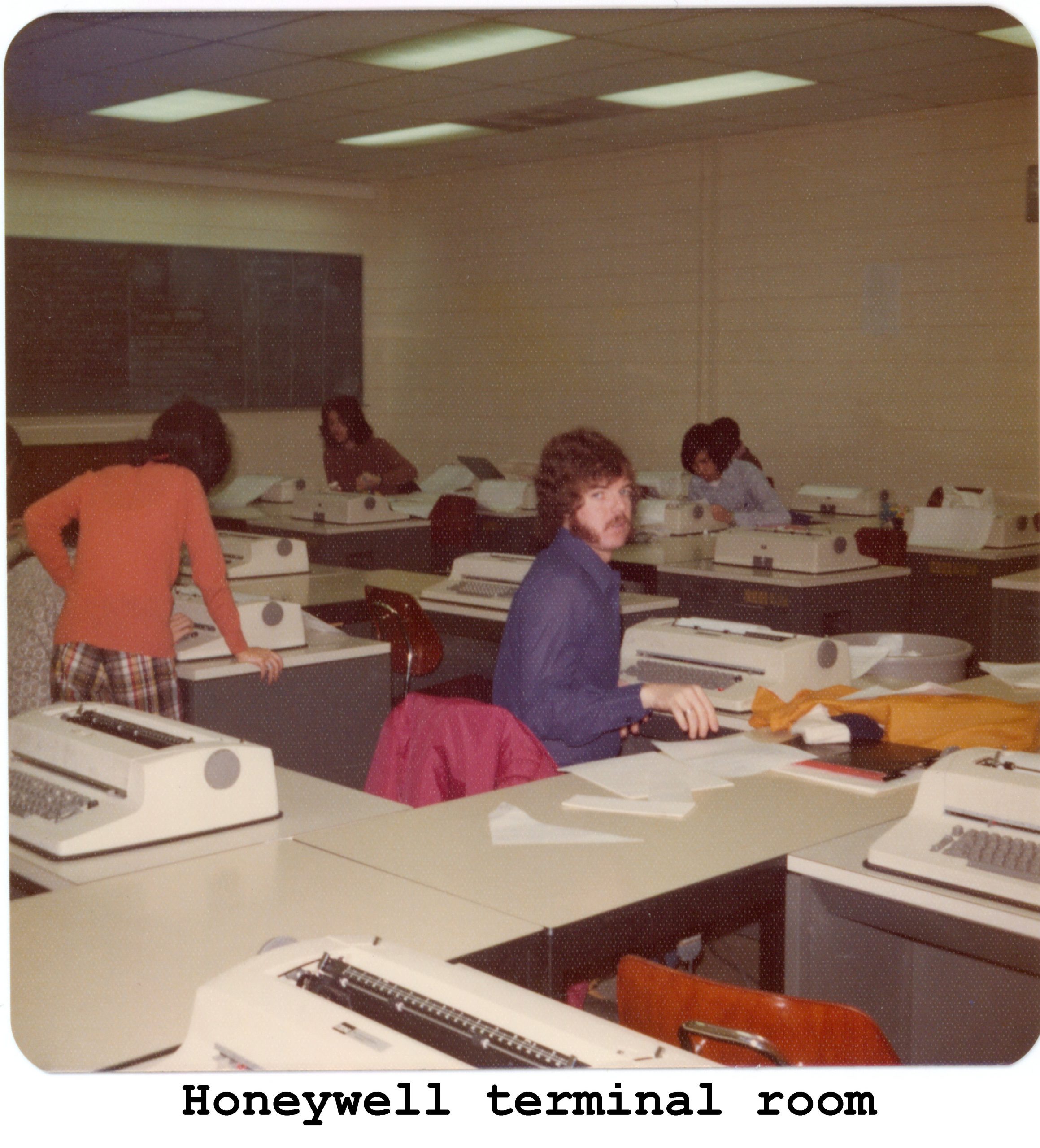
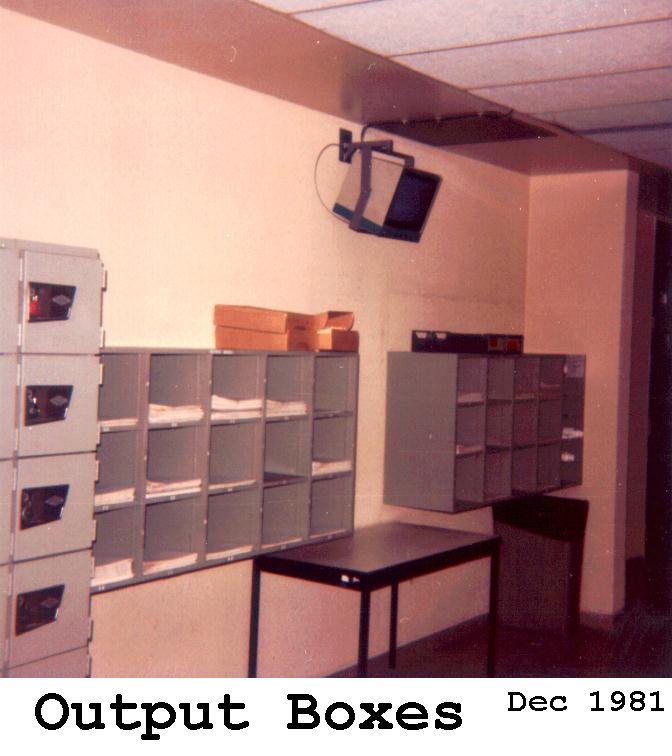
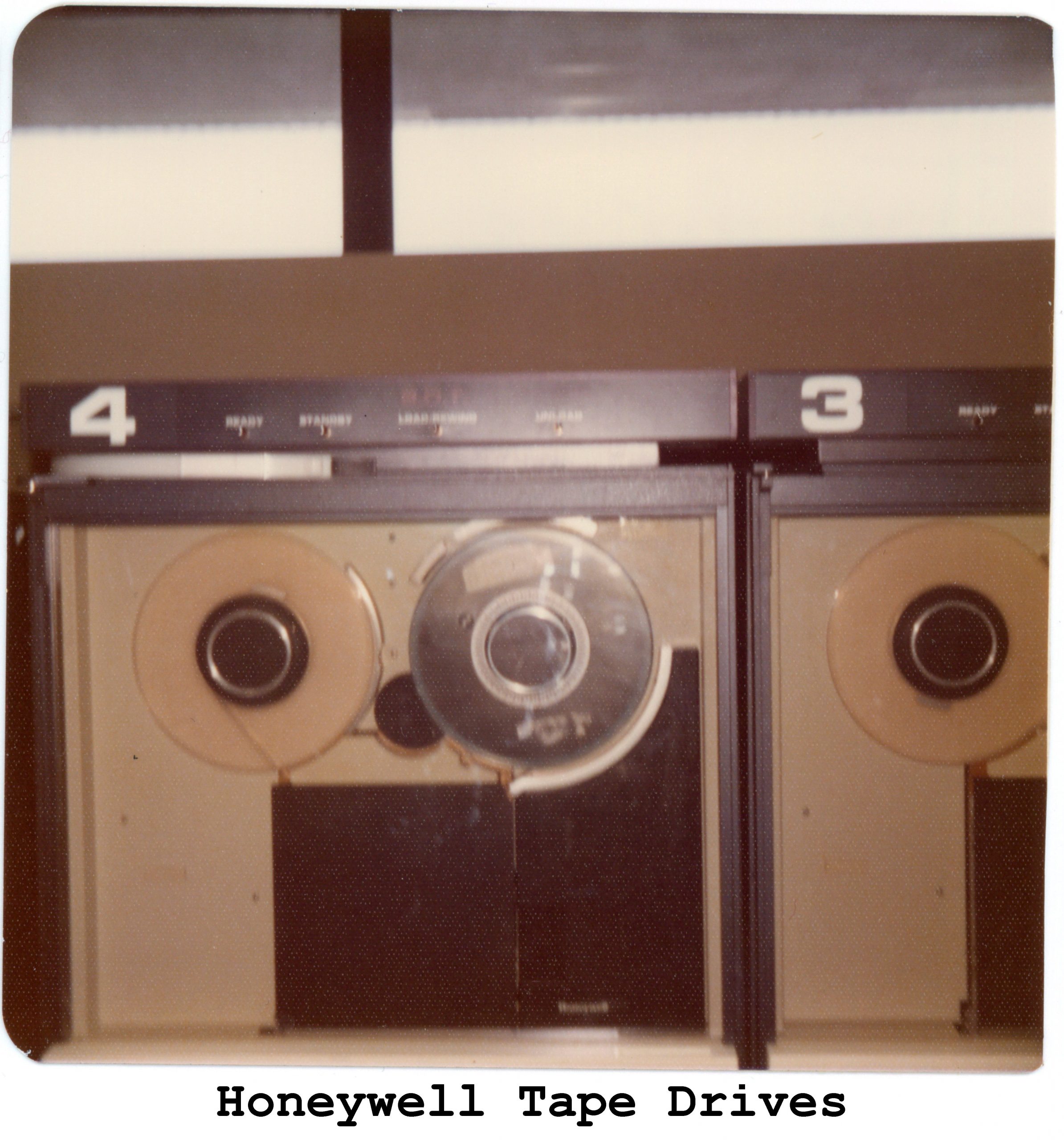
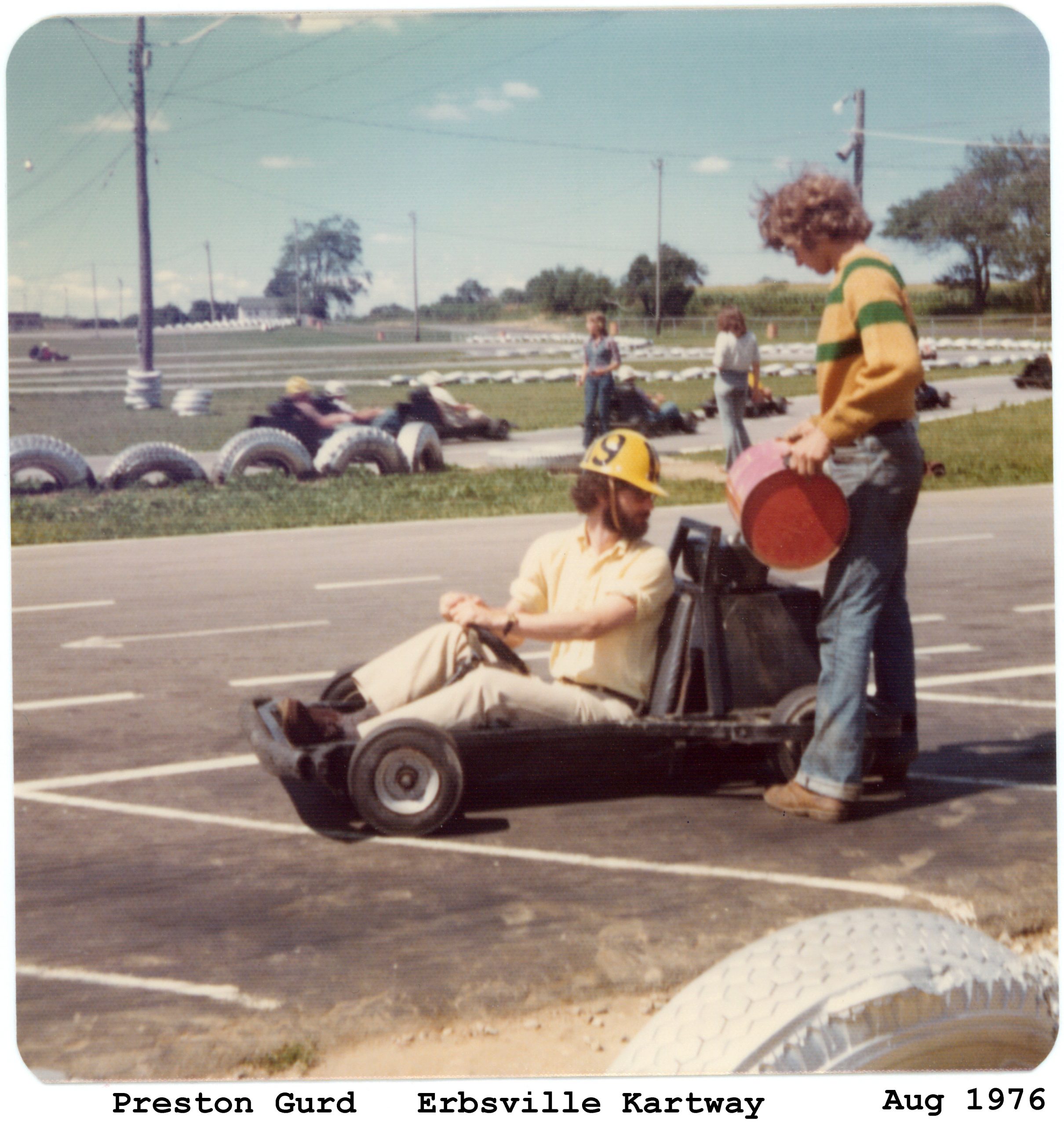
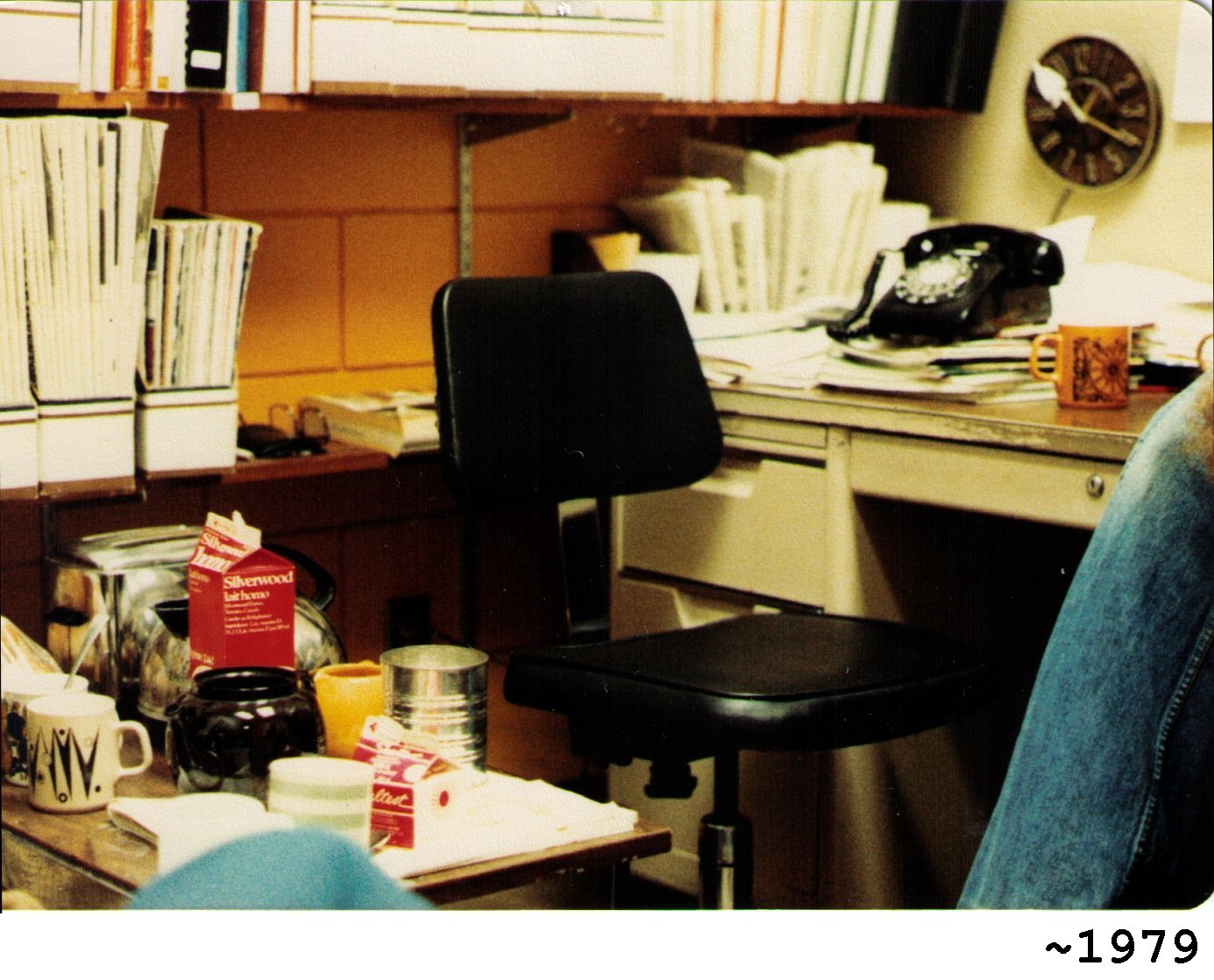
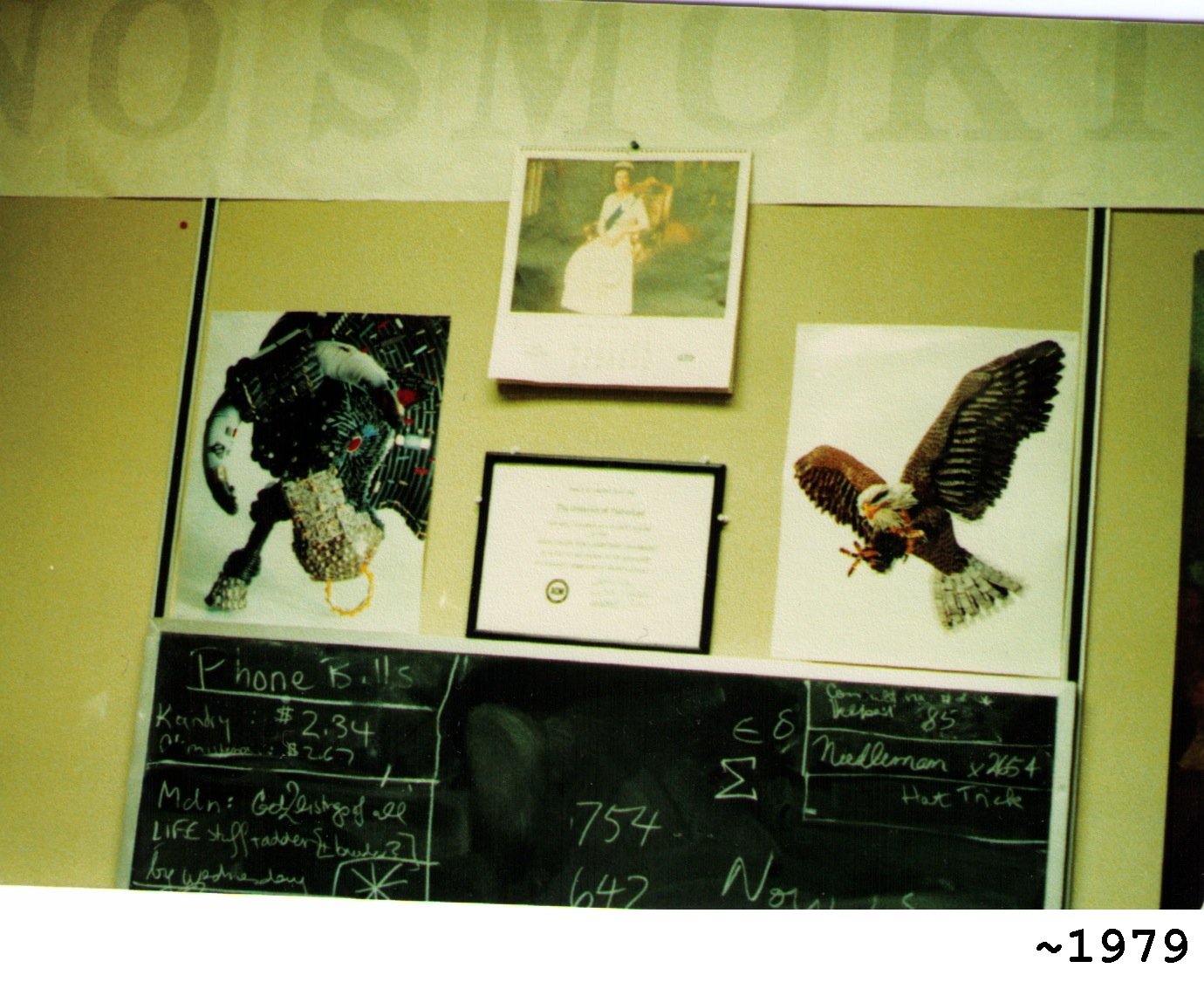
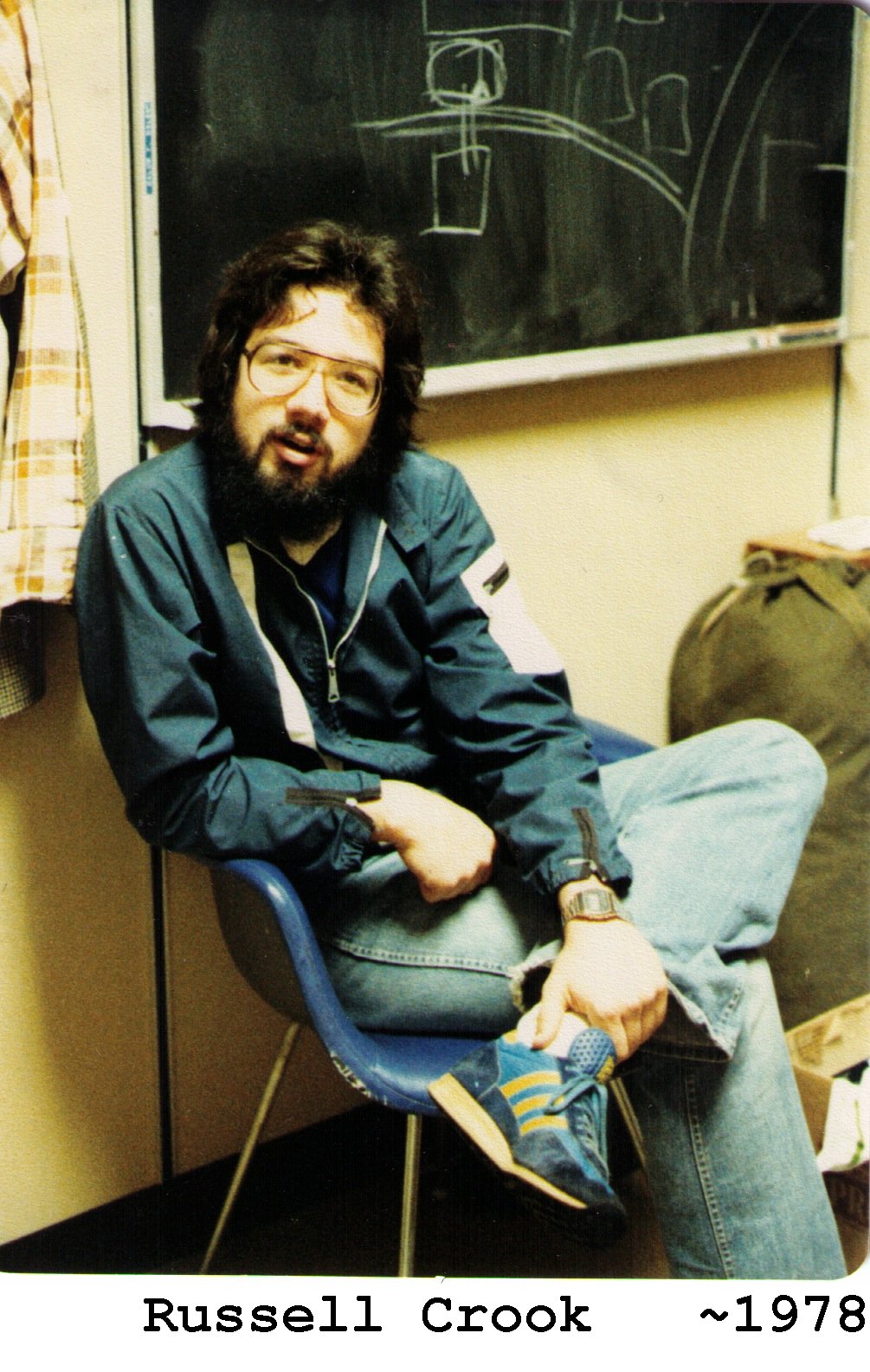
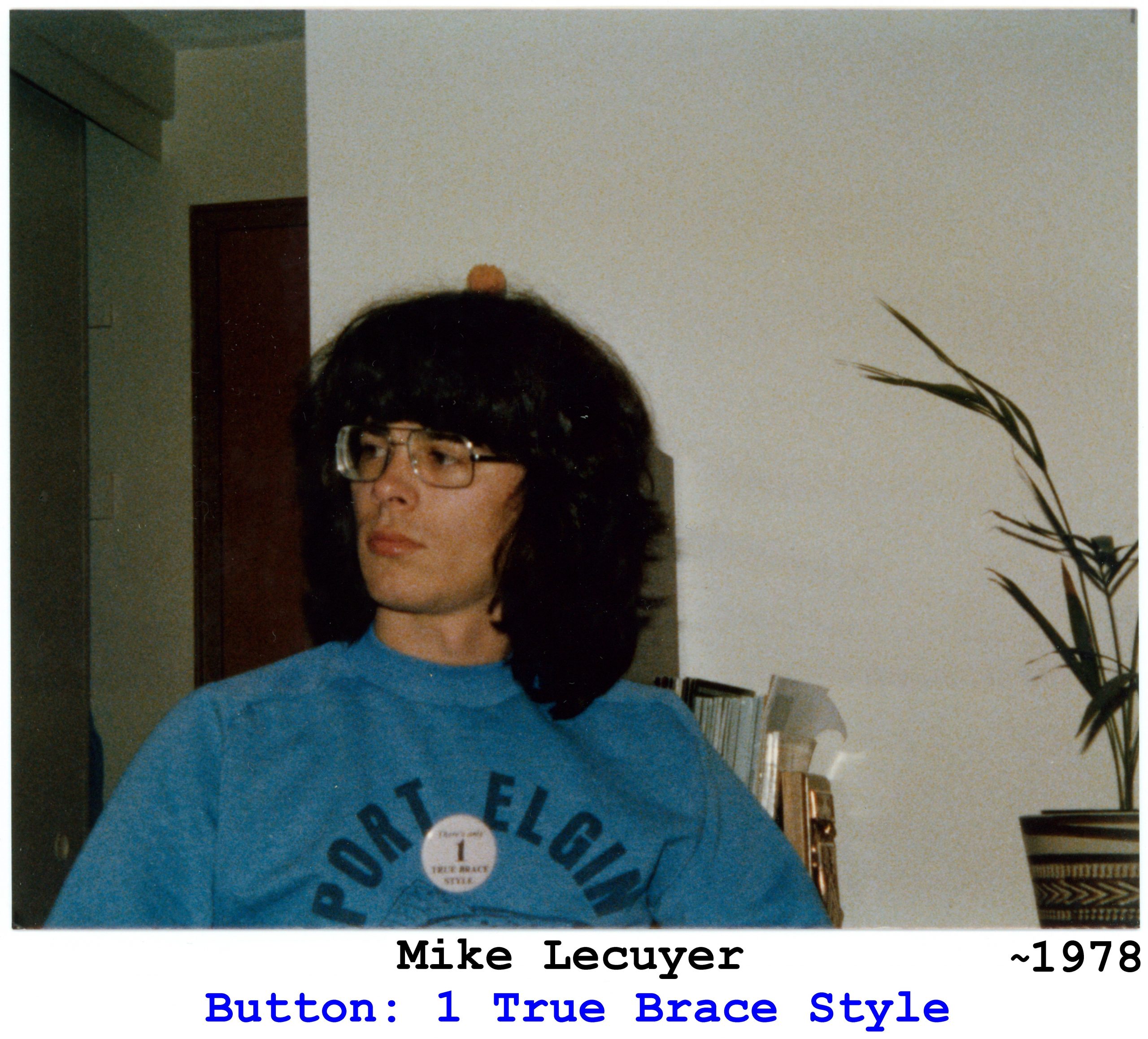
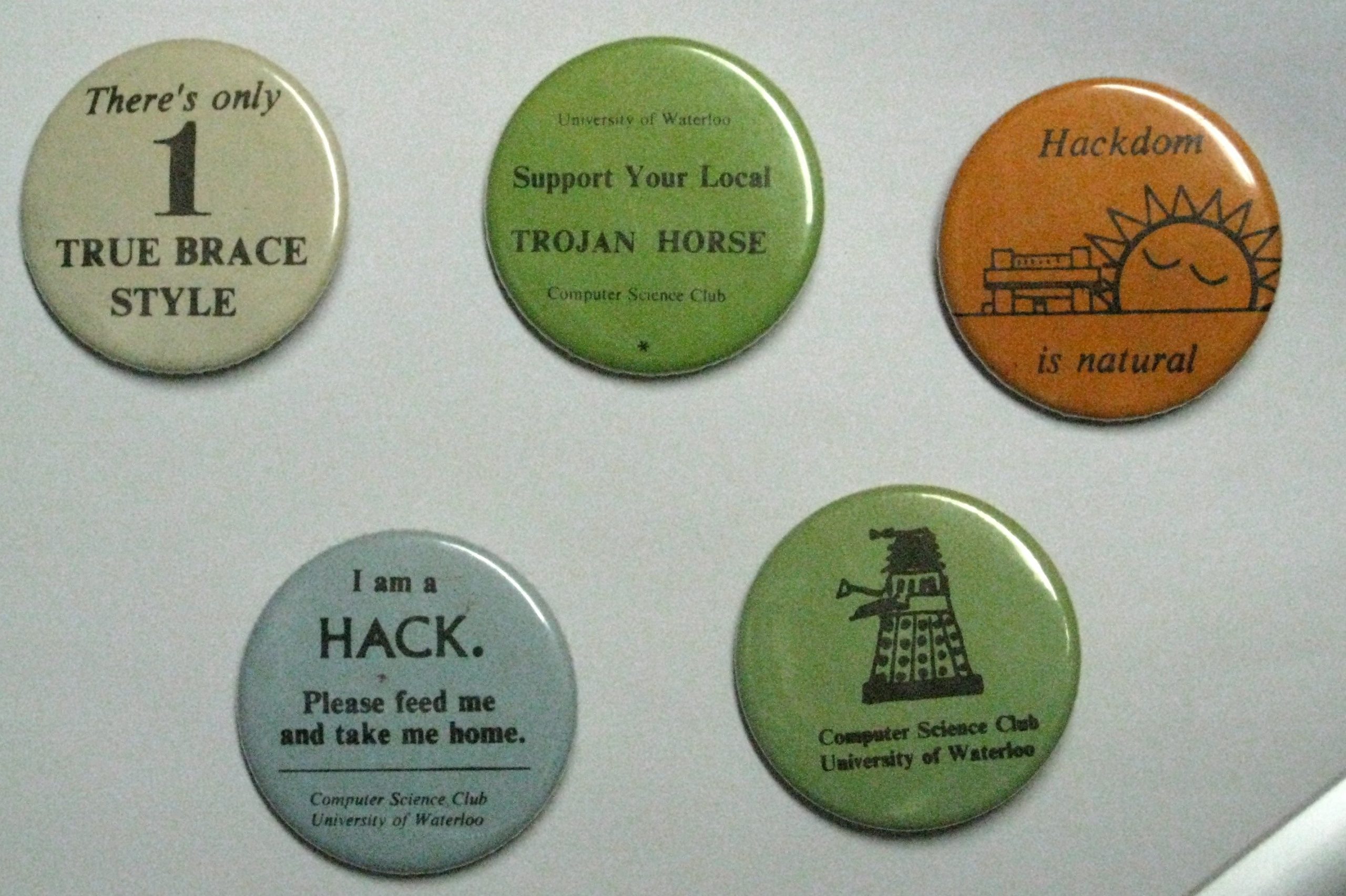
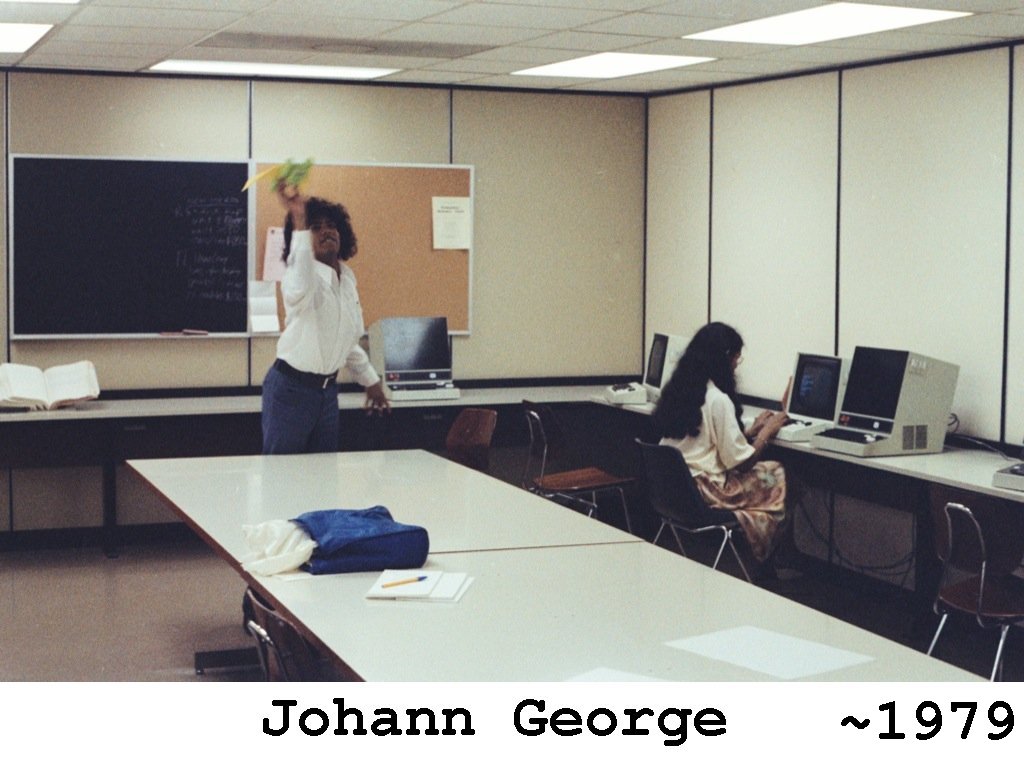
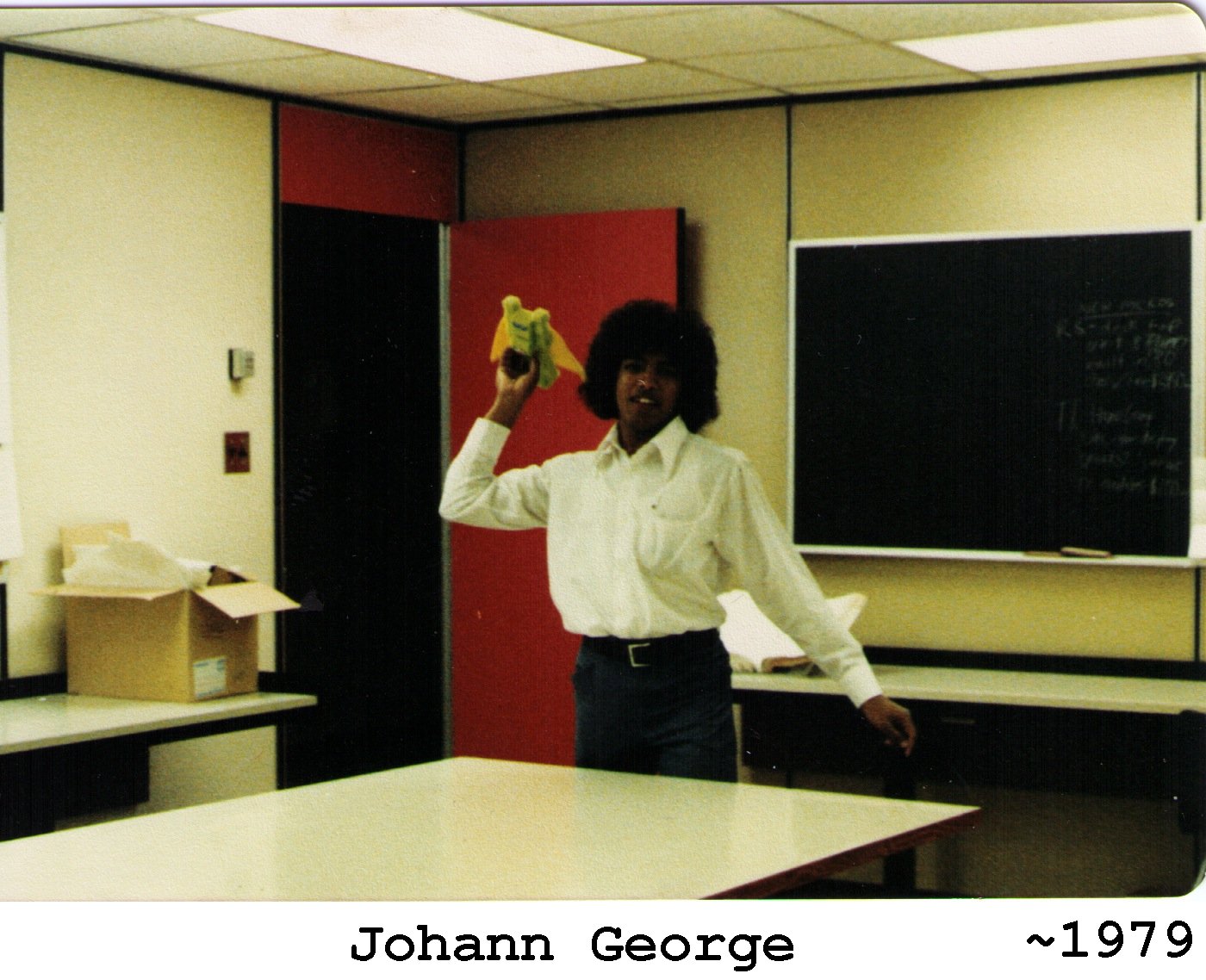
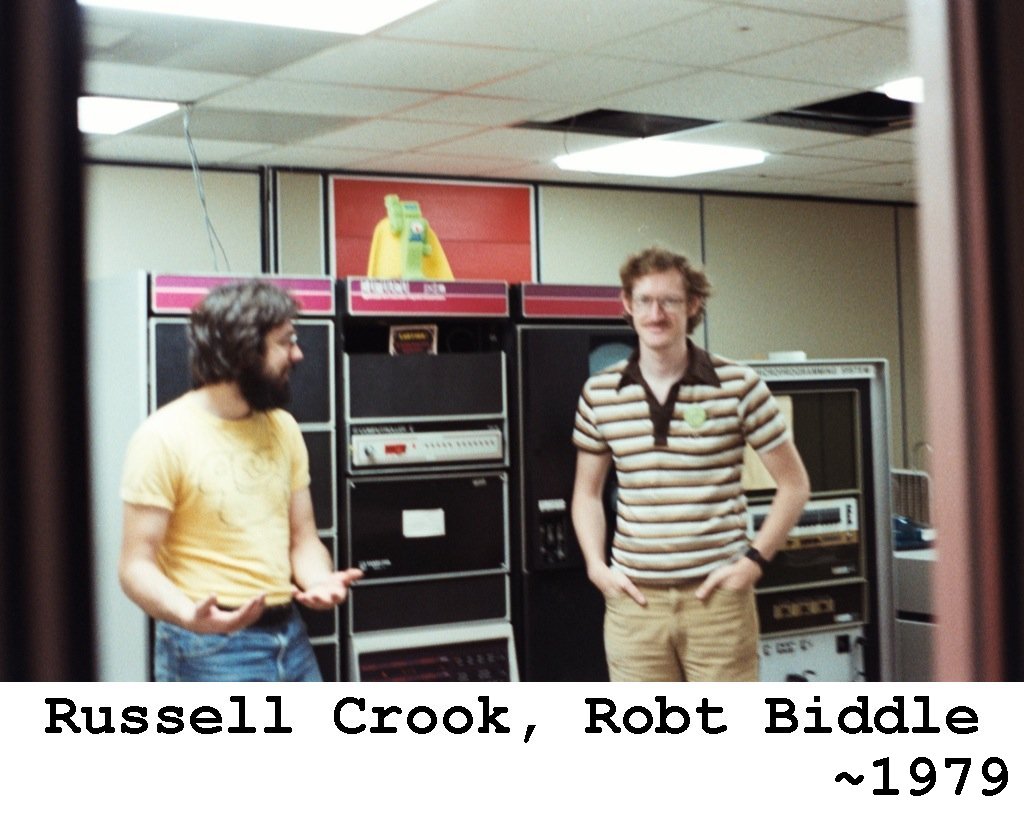
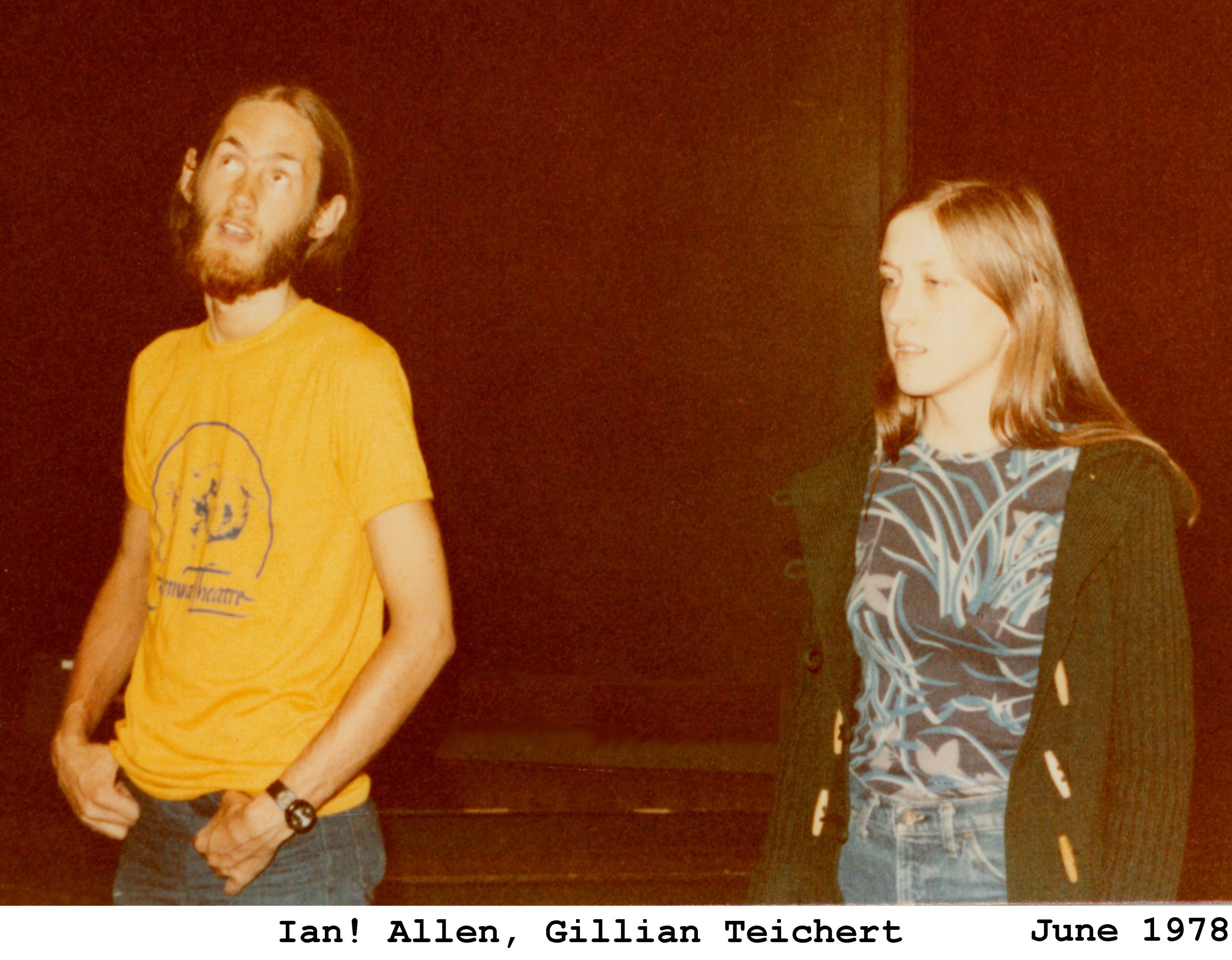
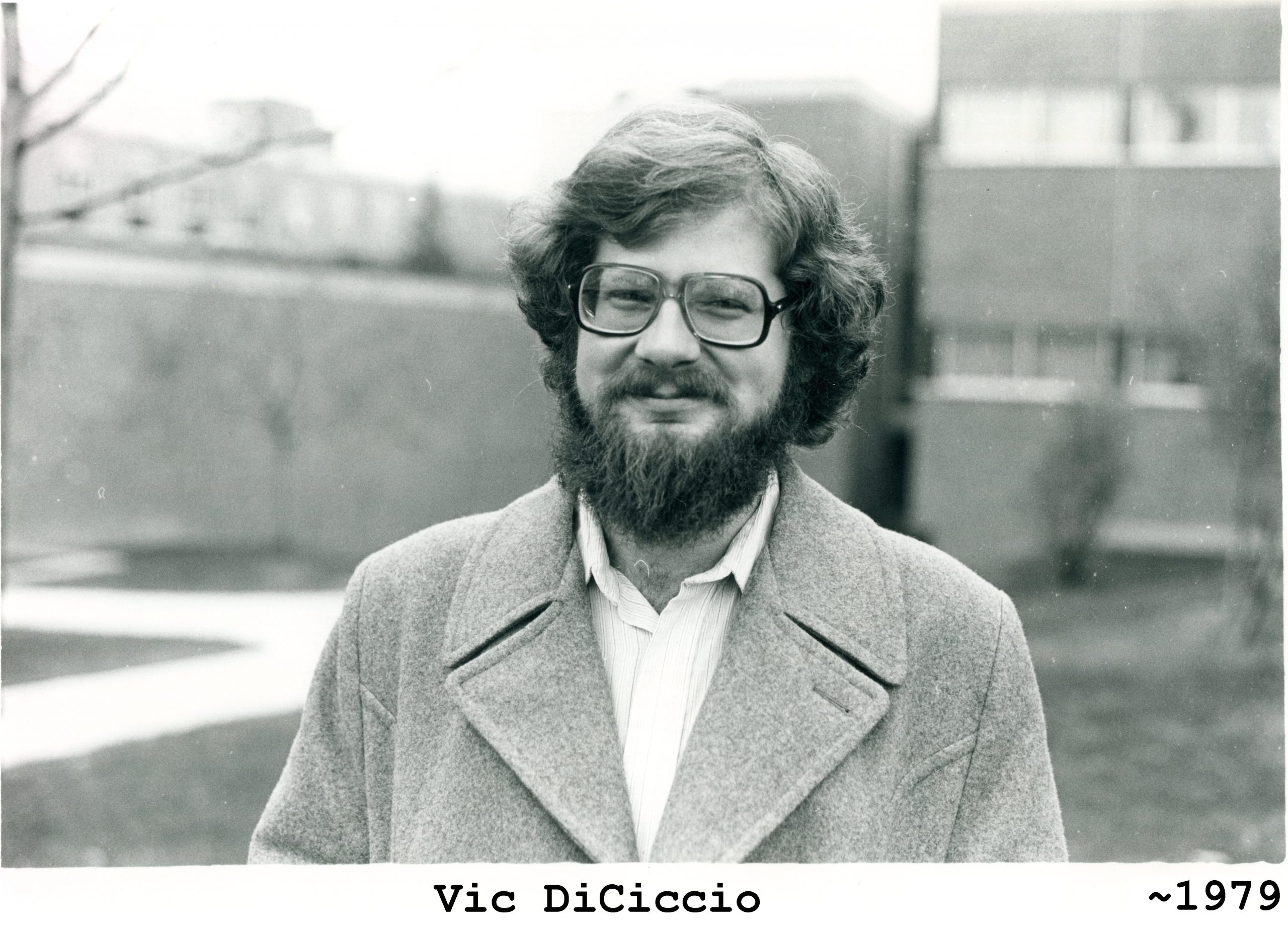
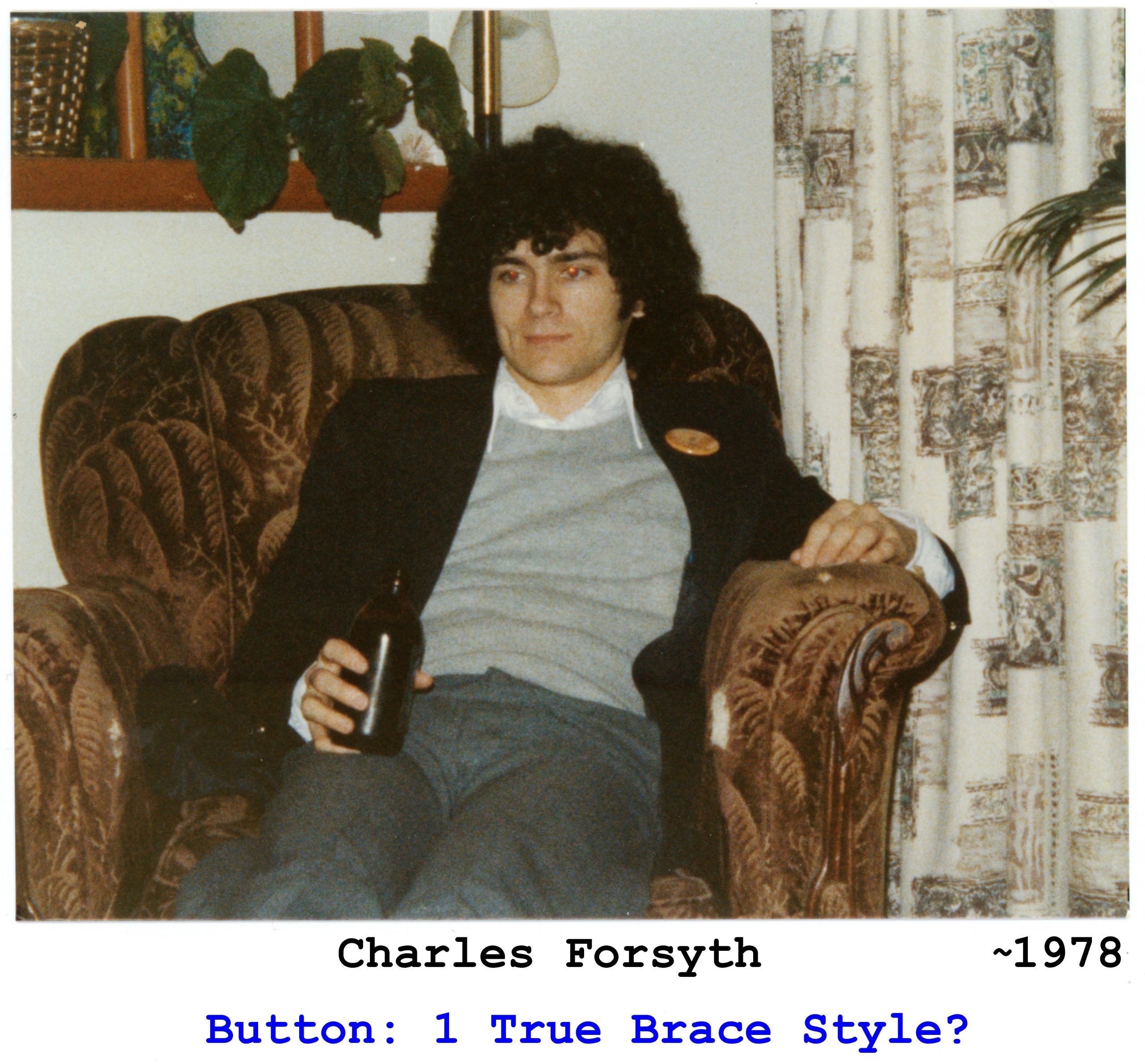
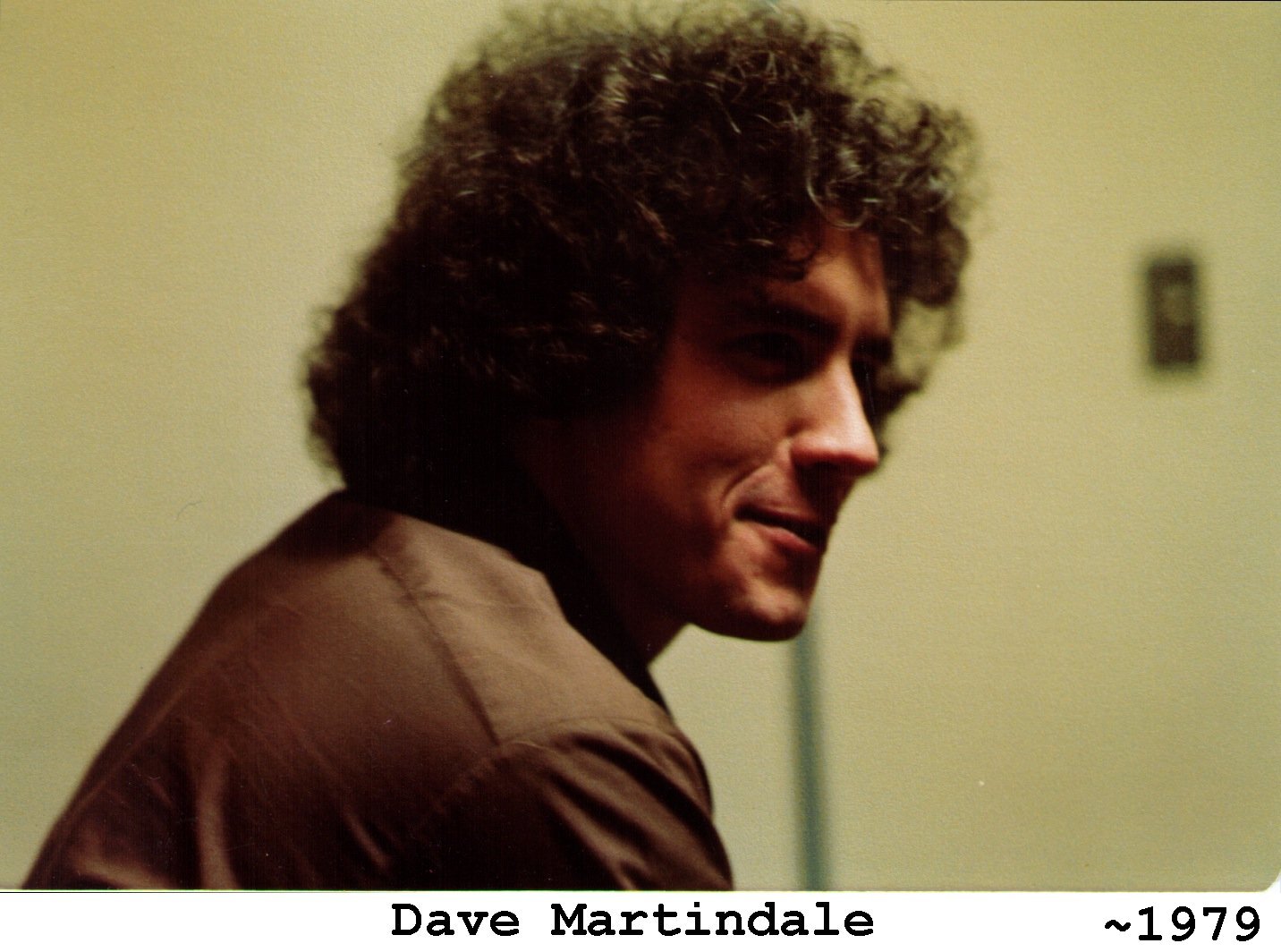
After welcoming people to the 050th Reunion of the ‘Bunand other 1970’s computing at University of Waterloo in mid-August 2012, I’ve gathered together a photo album, the brief presentation from the Gala and the many comments received outside of the earlier blog post.
Before the Gala, almost 100 photos were gathered which have grown to almost 250 contributed by various attendees. Enjoy browsing the memories.
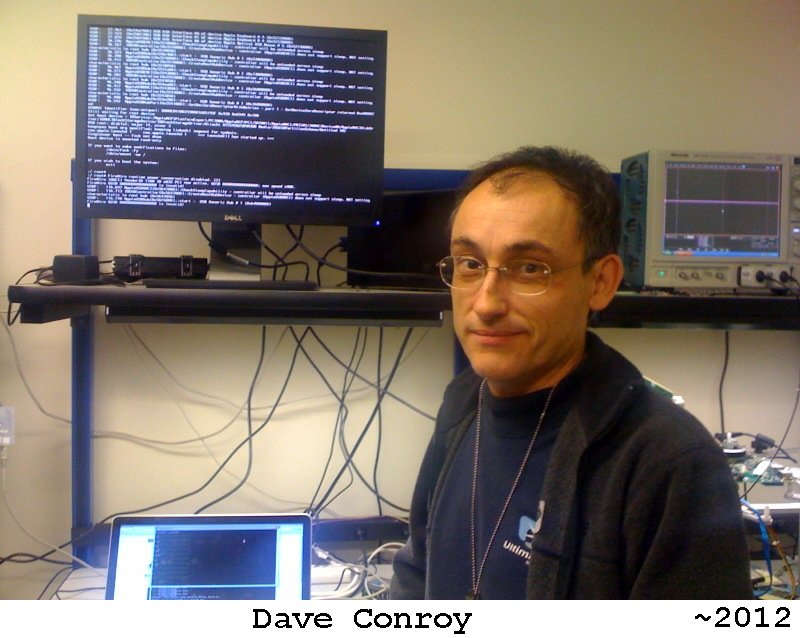
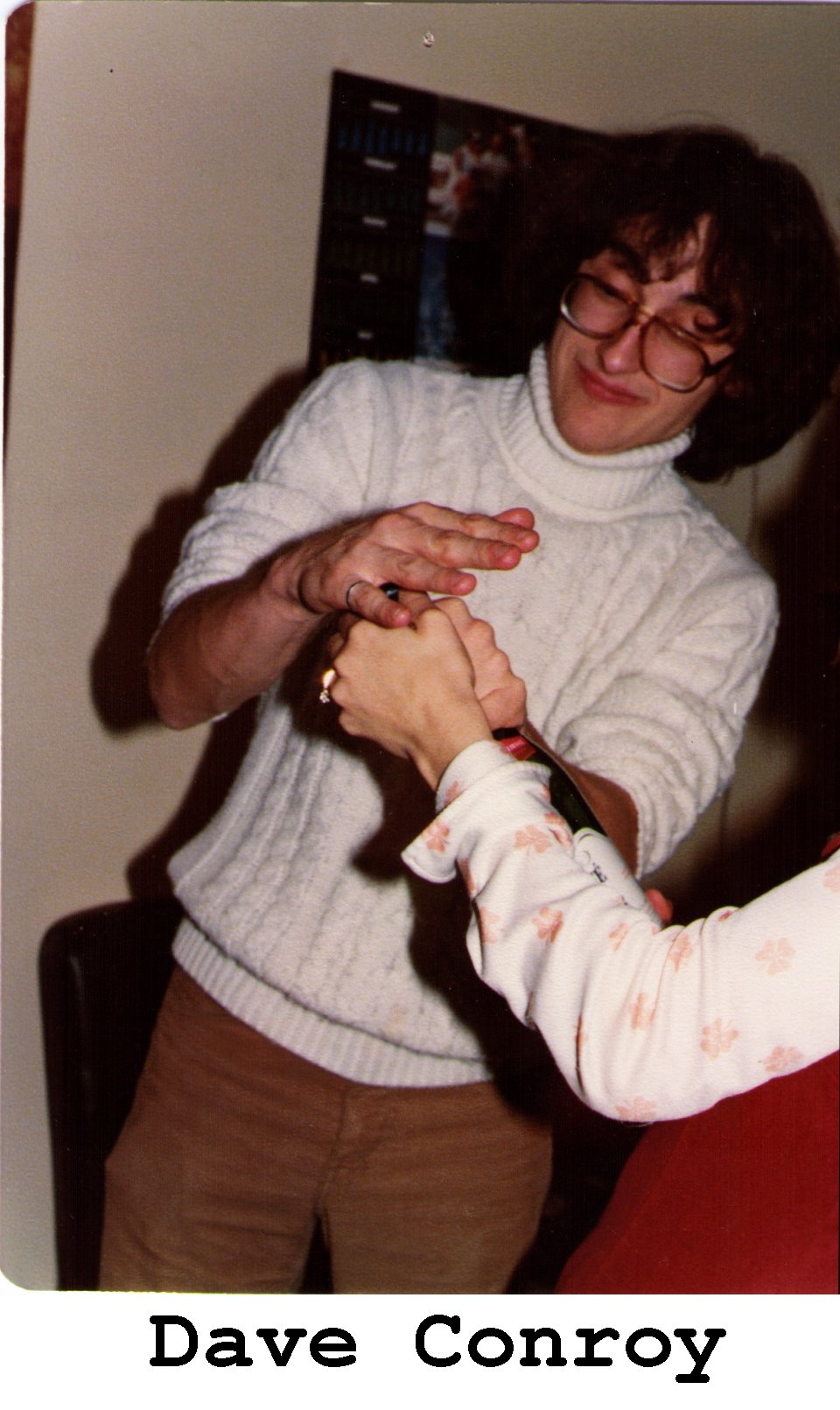
Dave conroy
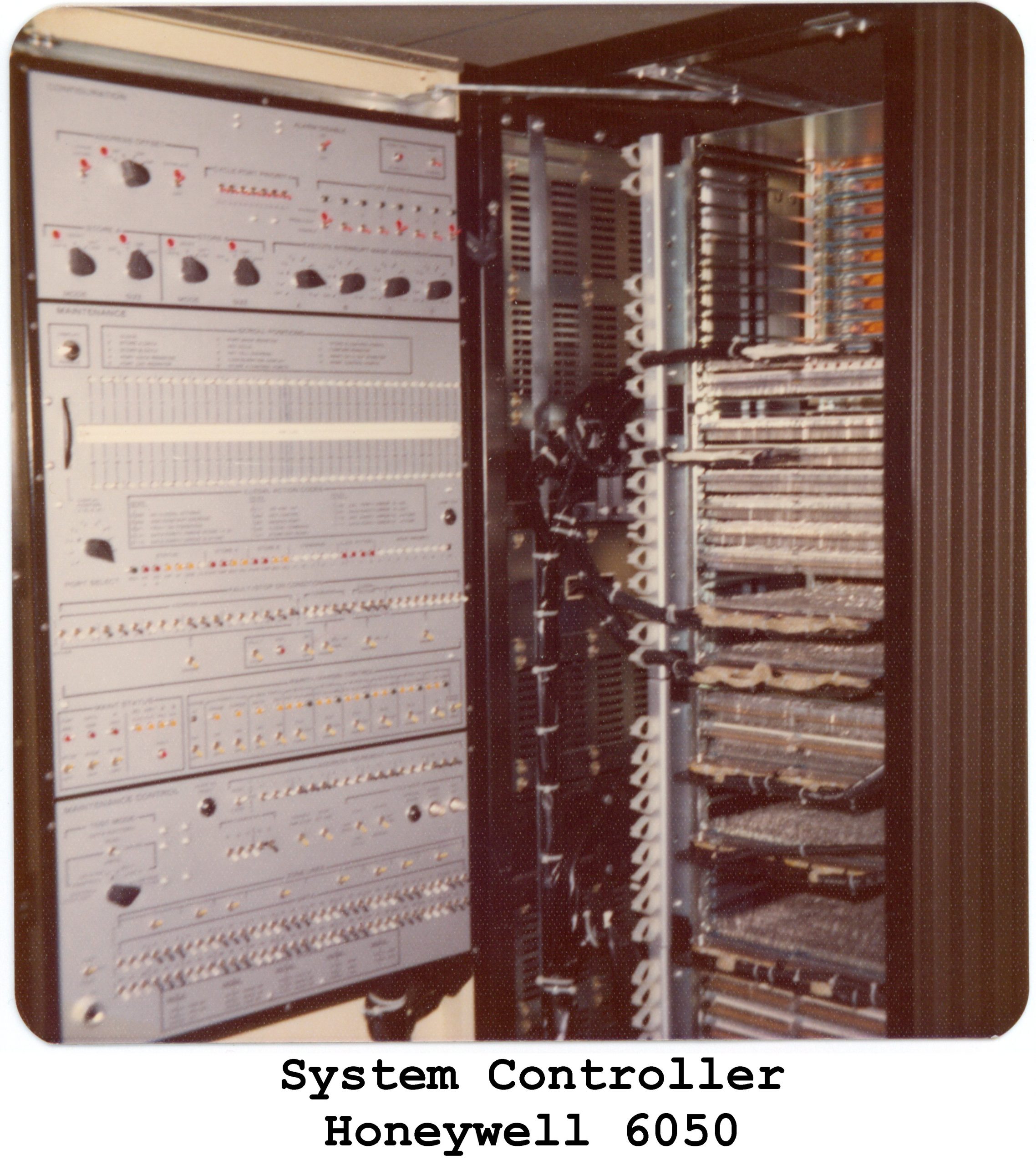
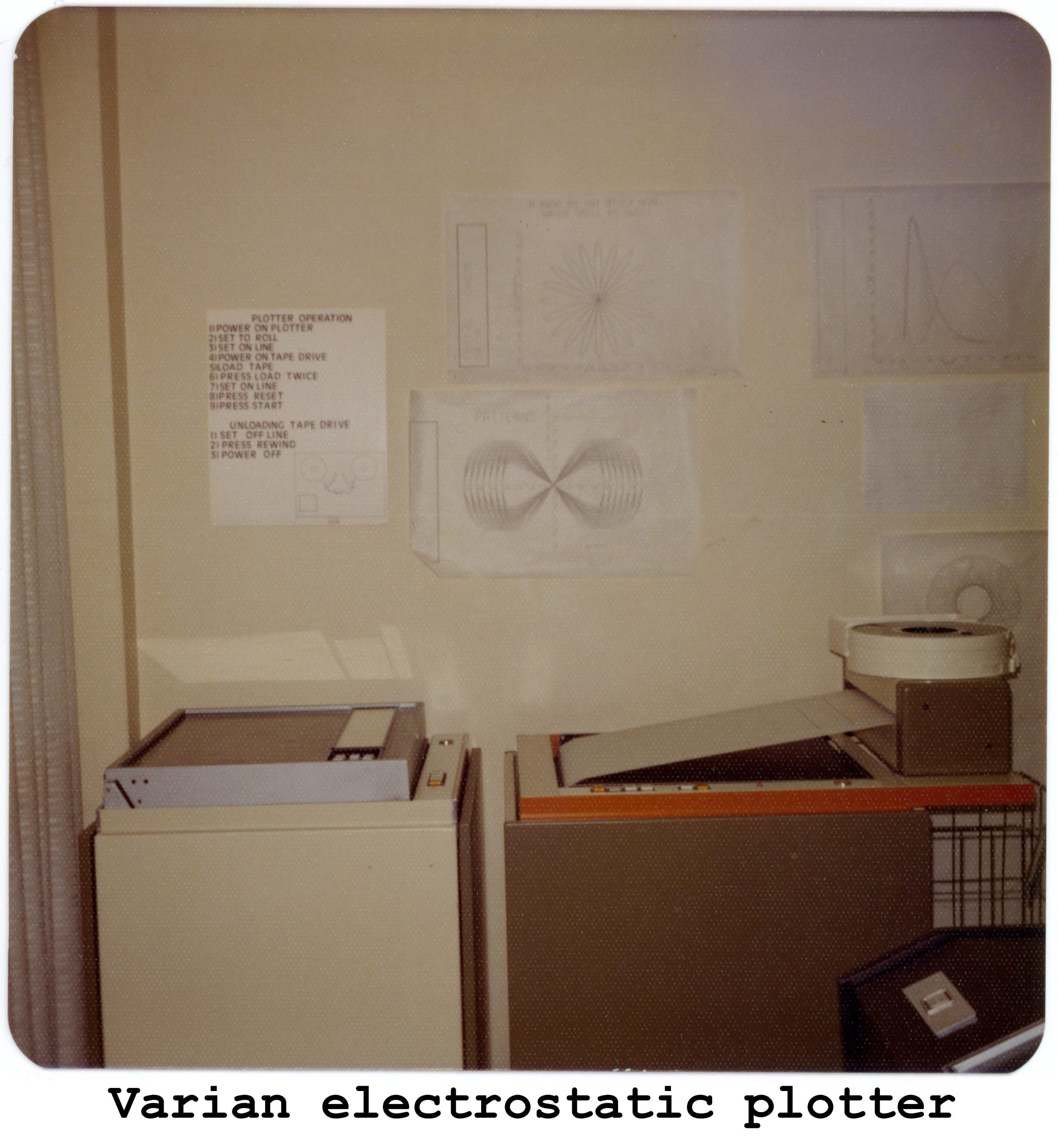
Sytem controller
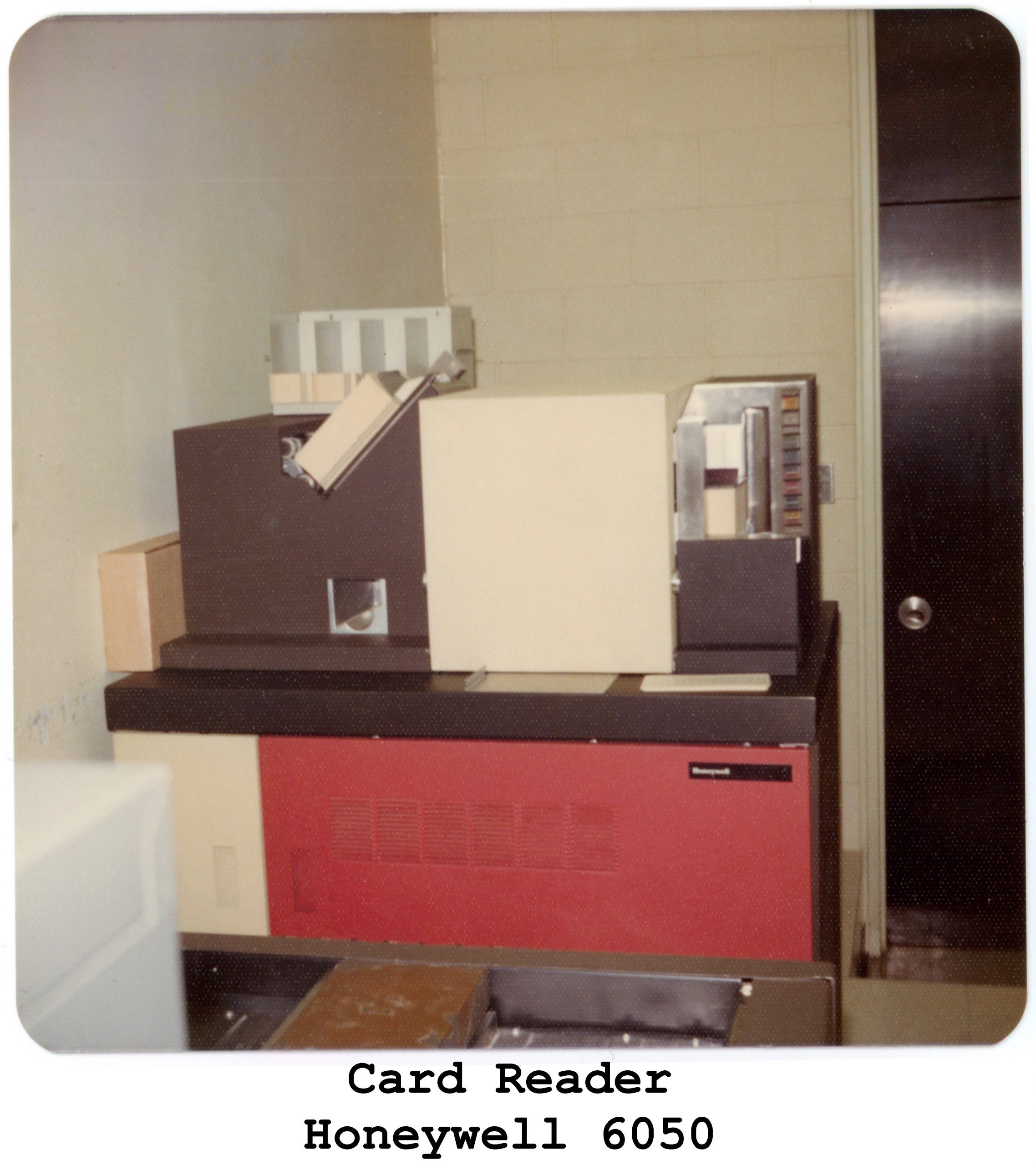
Card Reader
Line Printer
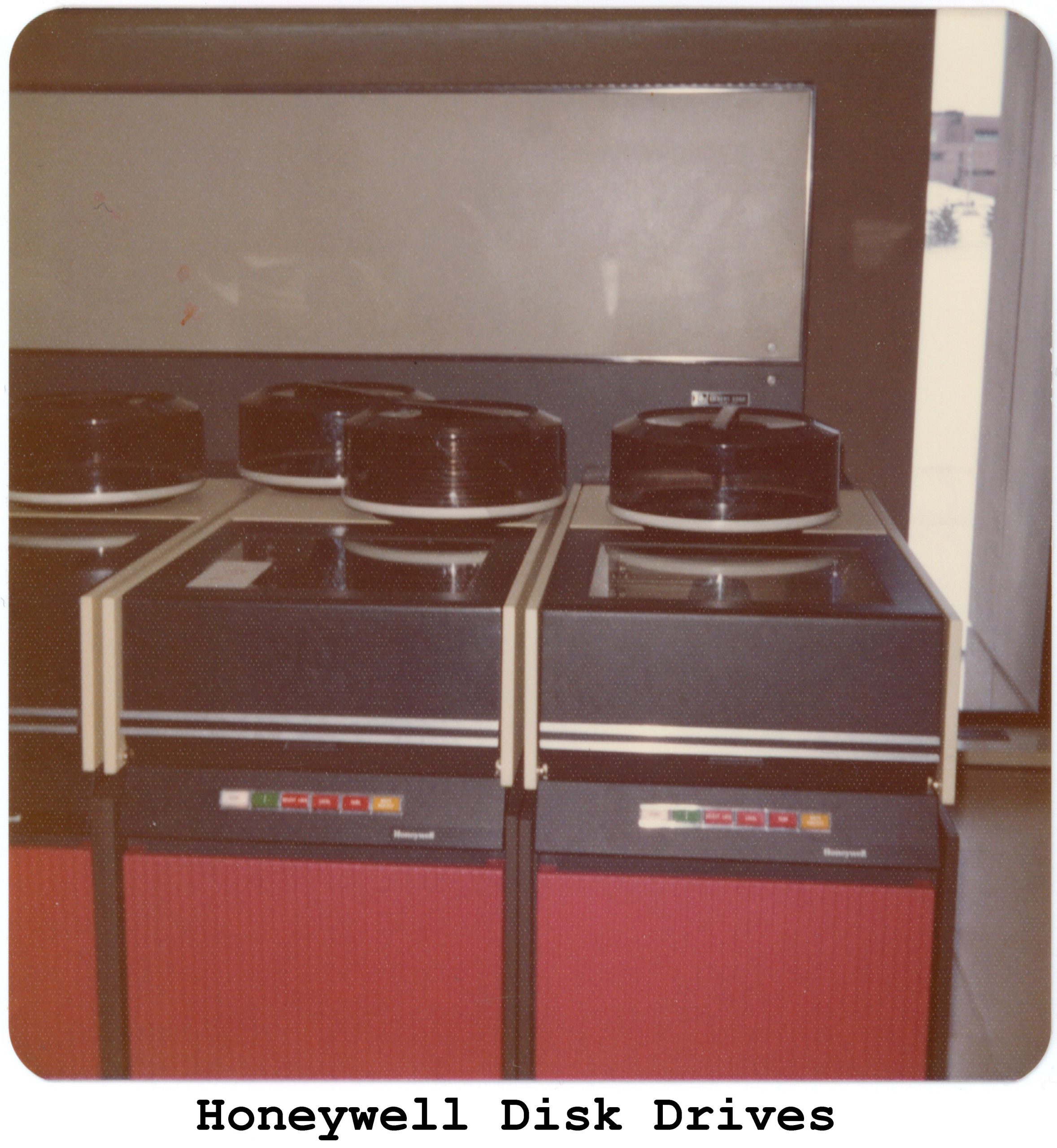
Removable Disc Driver
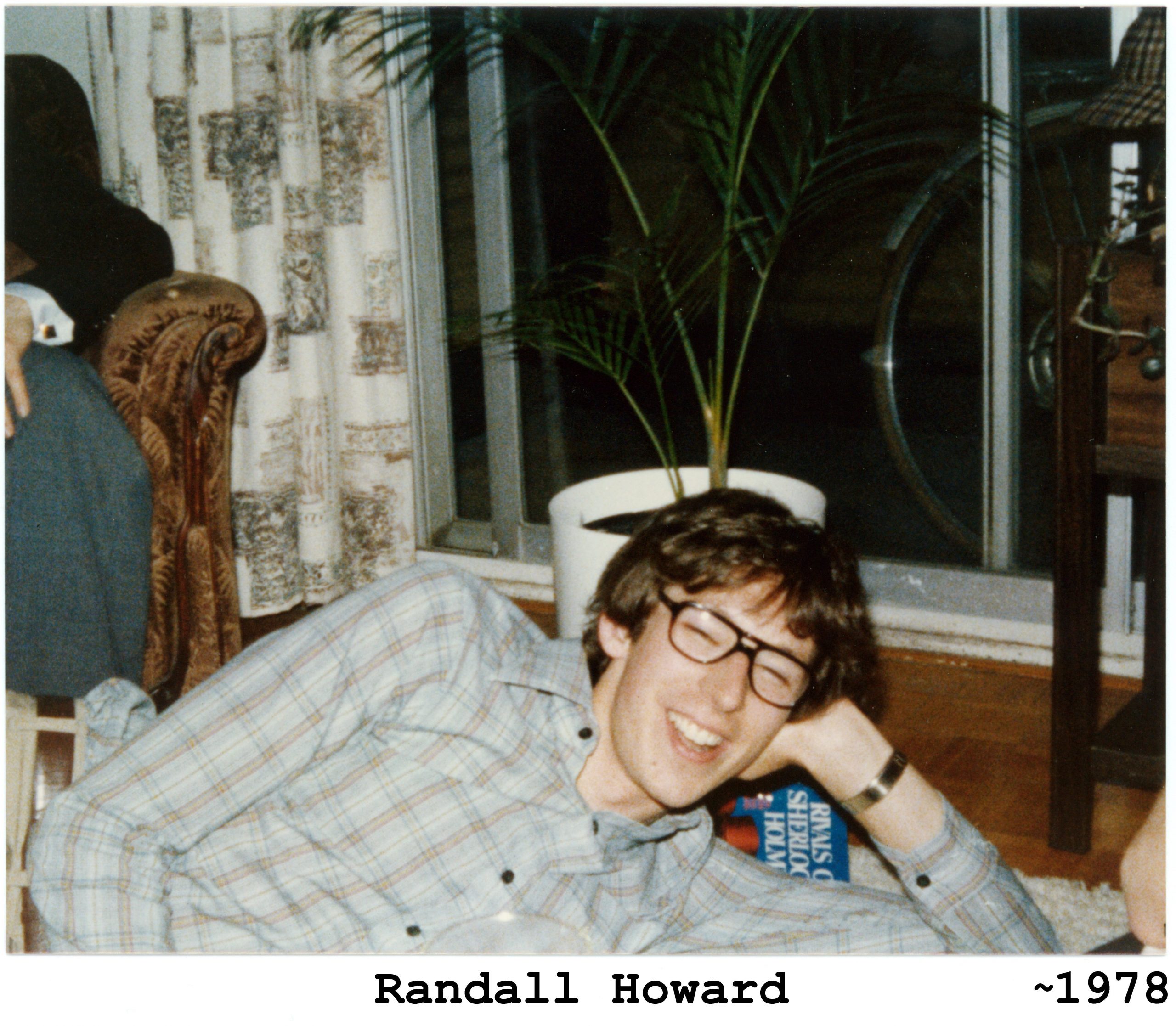
Randall Howard
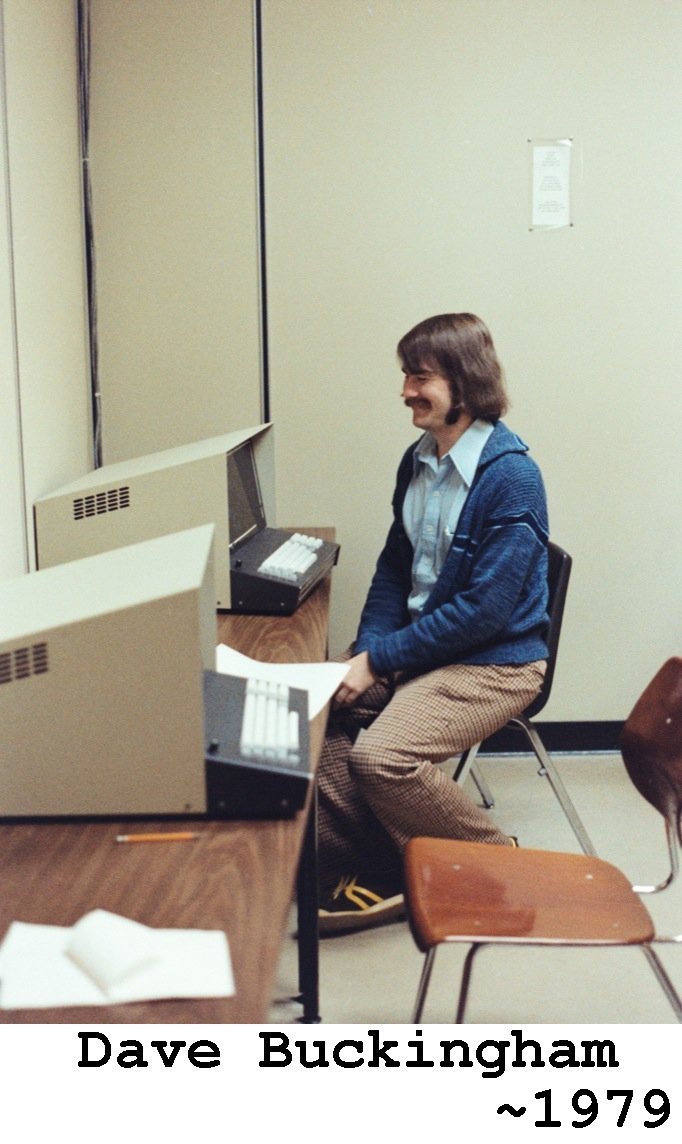
Dave Buckingham
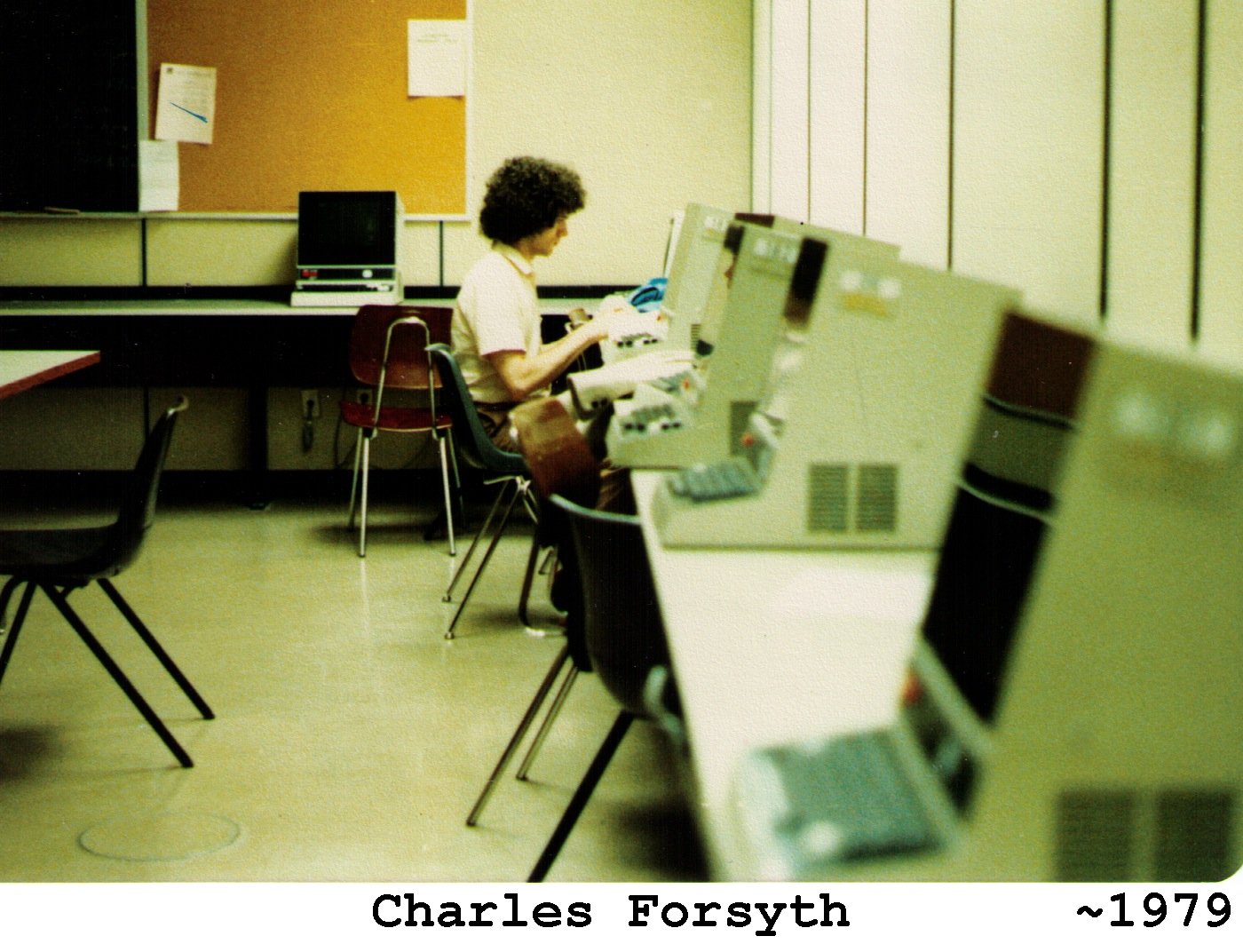
Charles Forsyth @ Math/Unix
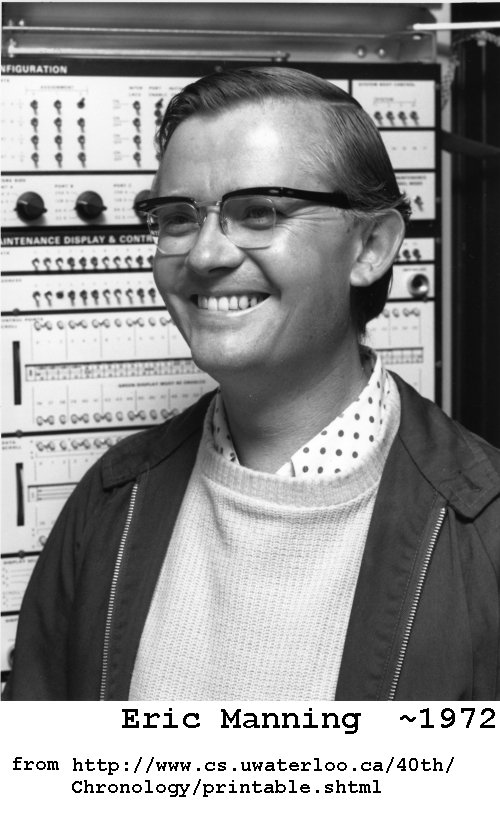
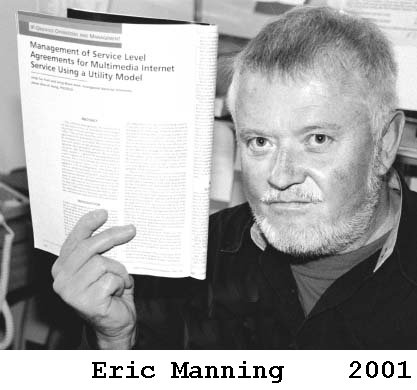
Eric Manning
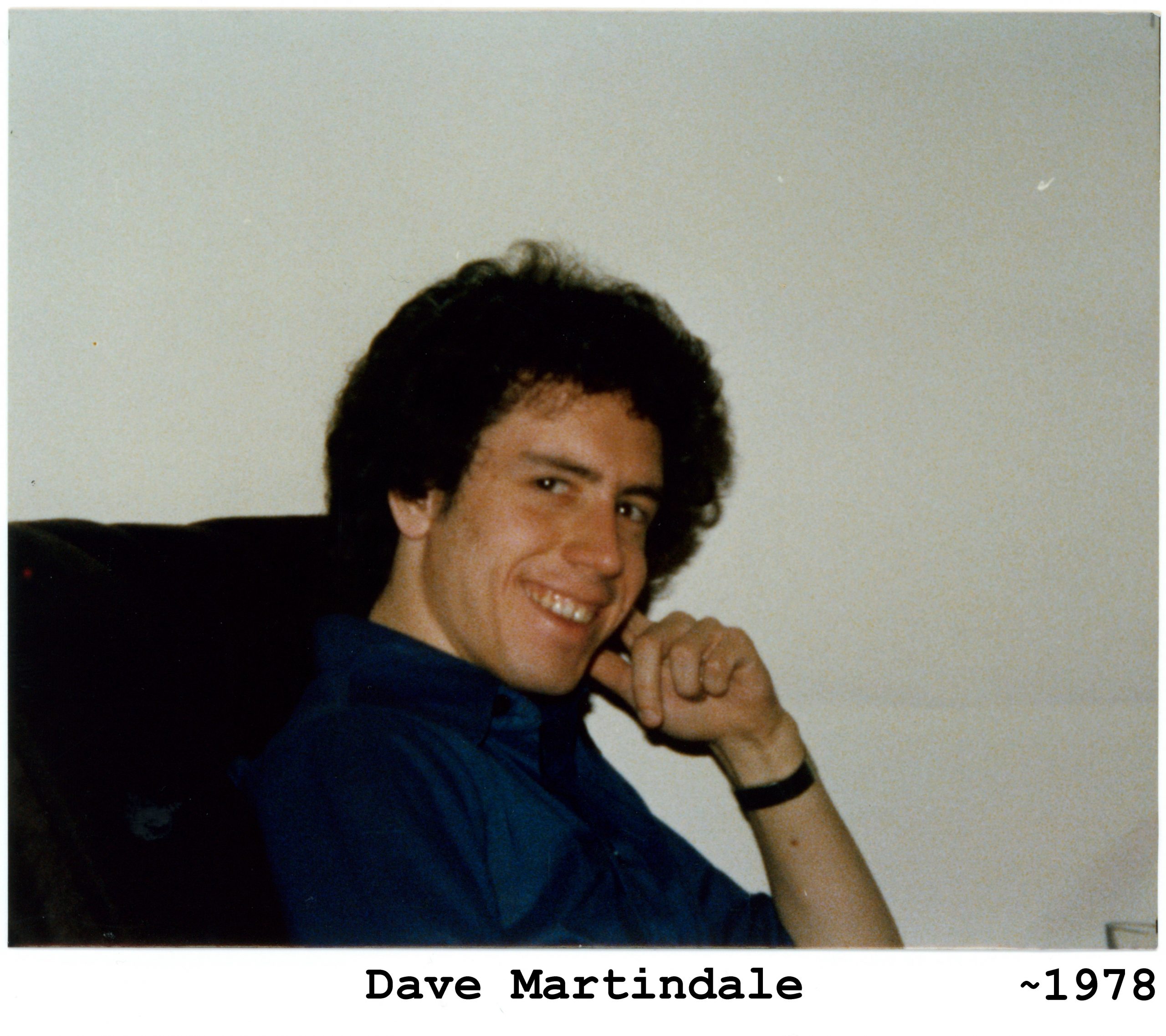
Dave Martindale
Robert Biddle
Mark Niemiec
Jim Gardner
Vic DiCiccio
Dave Martindale
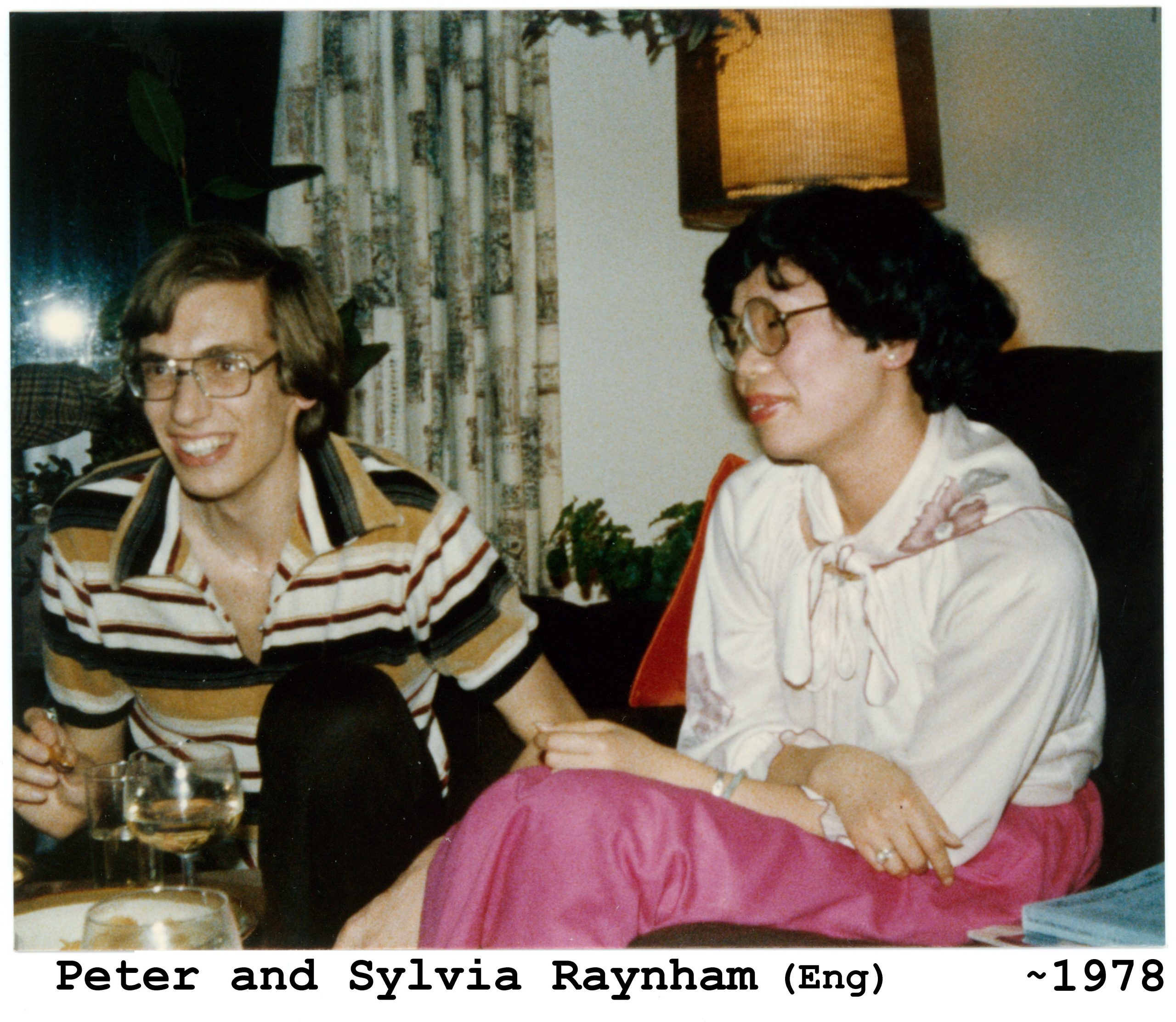
Peter & Sylvia Raynham
Wendy Nabert Williams
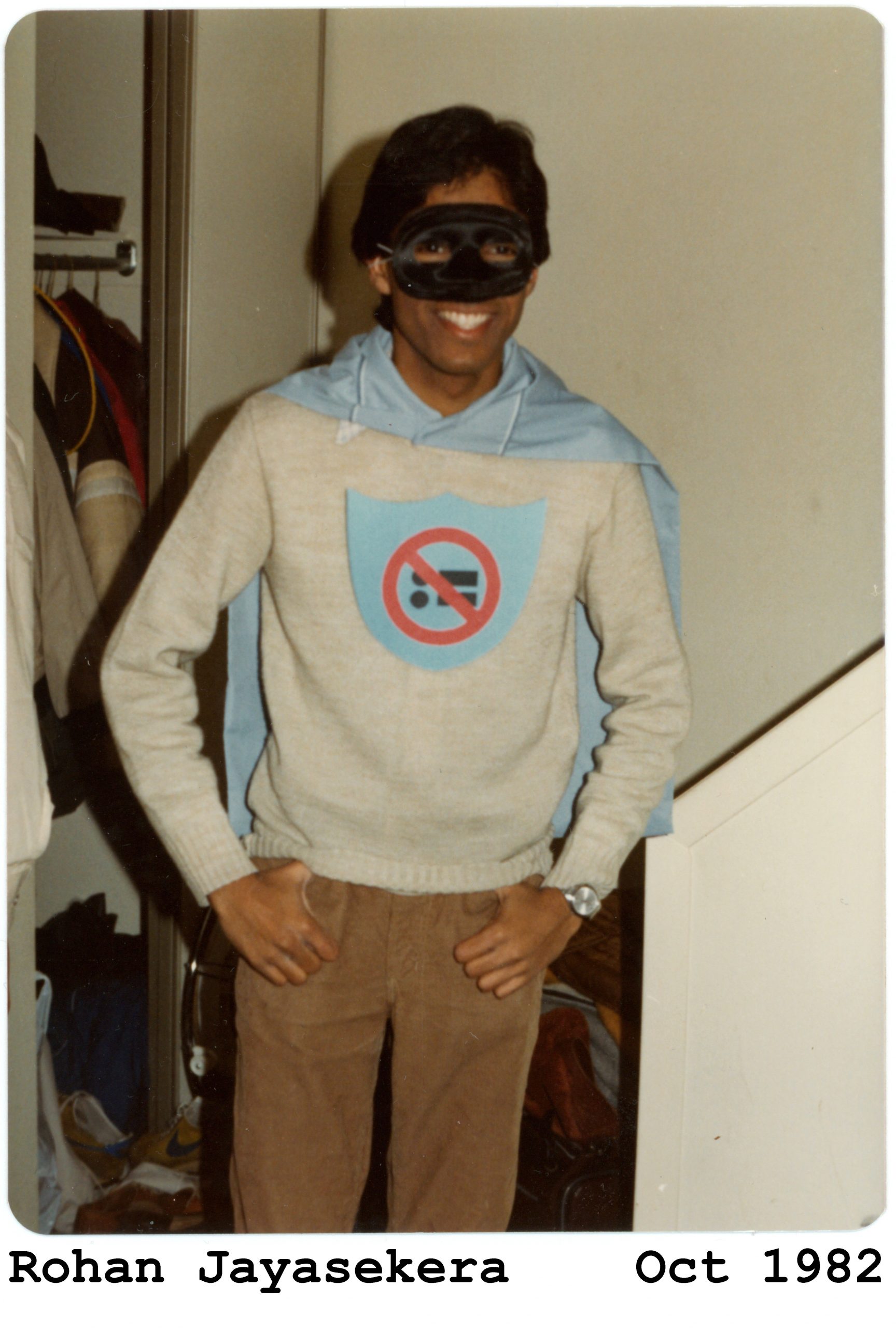
Rohan Jayasekera
Hide Tokuda & San-Qui Li
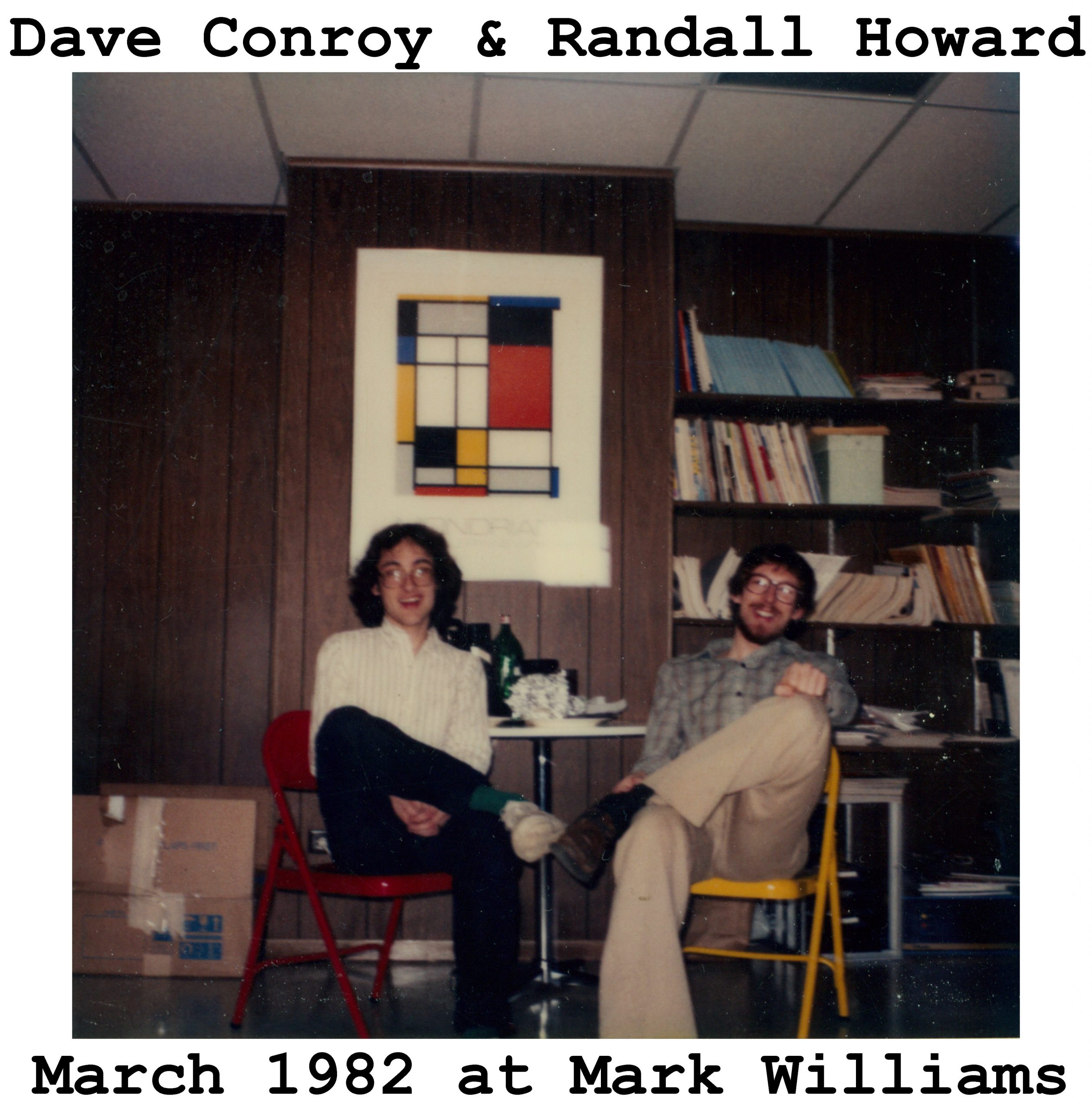
Dave + Randall @ Mark Williams
Alex White
Randall @ MKS
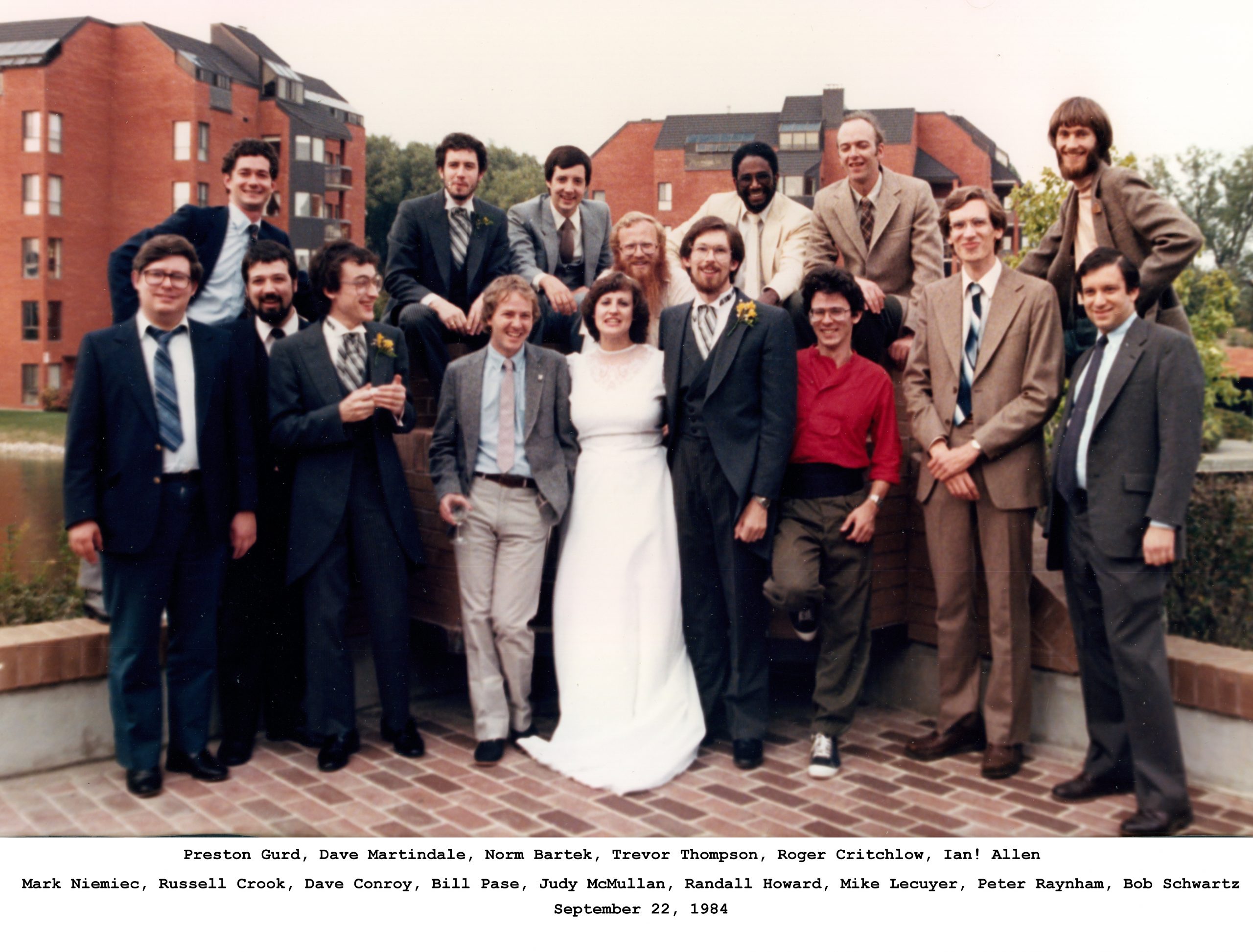
The Hacks @ Randall&Judy Wedding
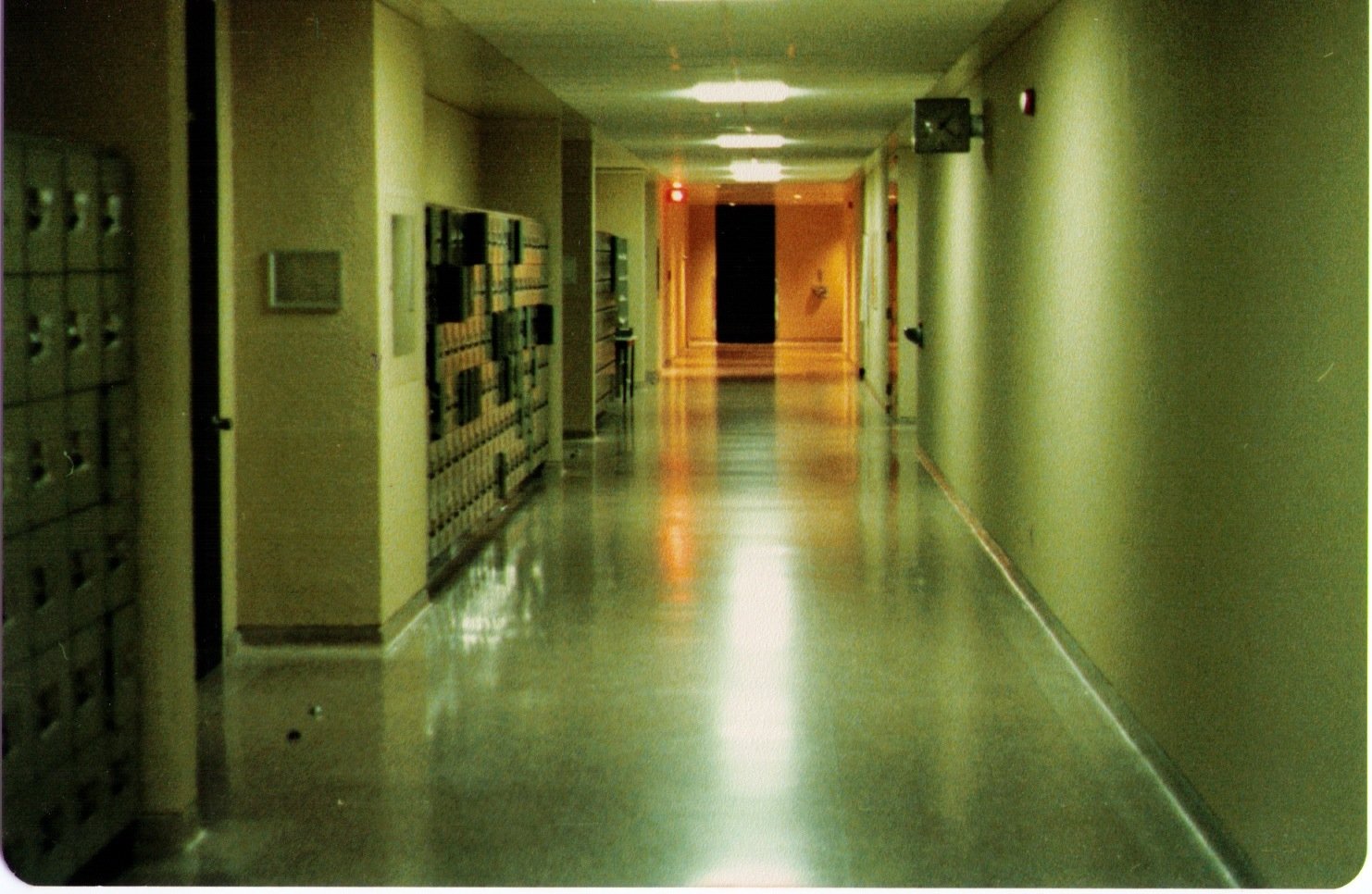
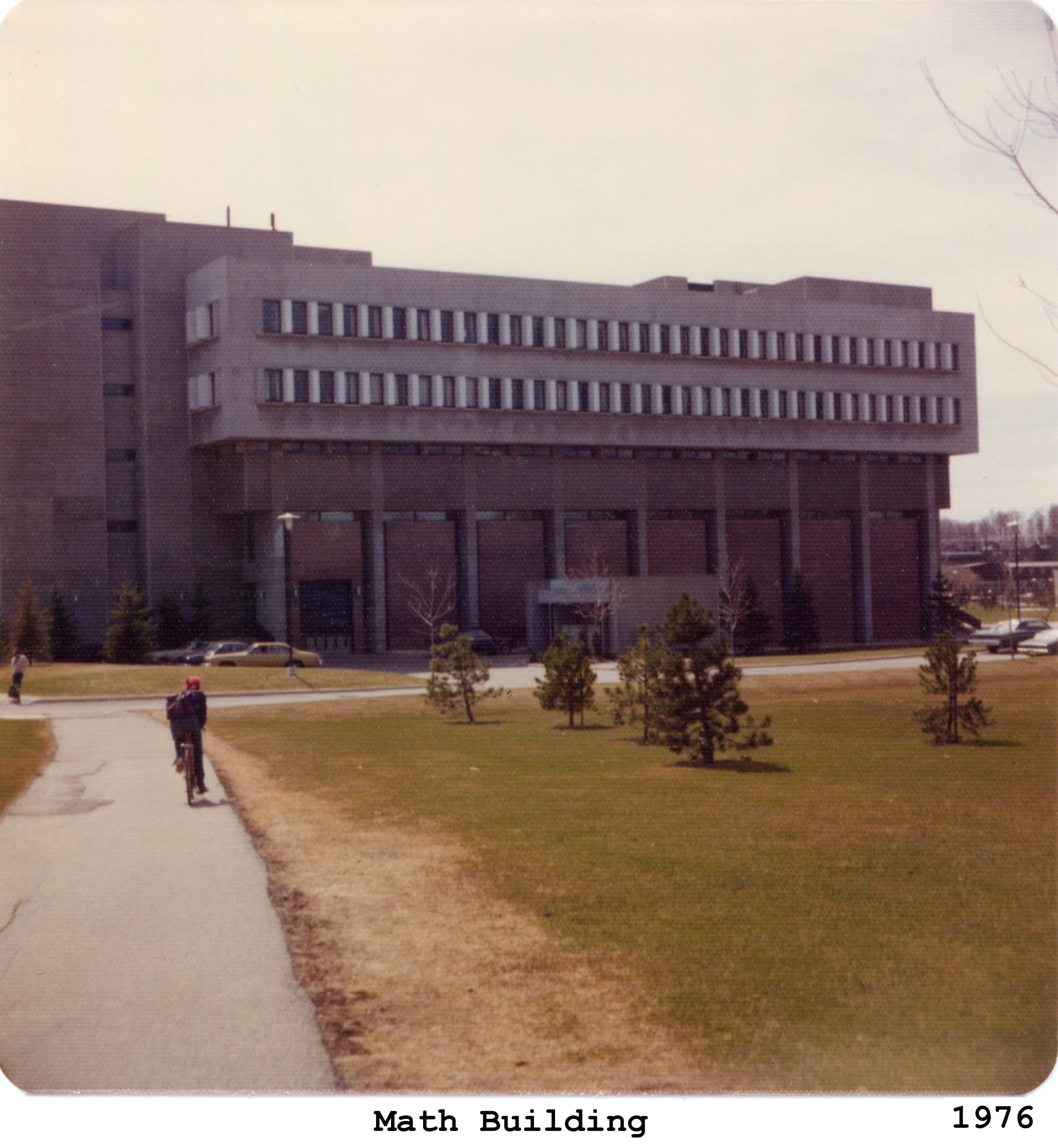
Math Building
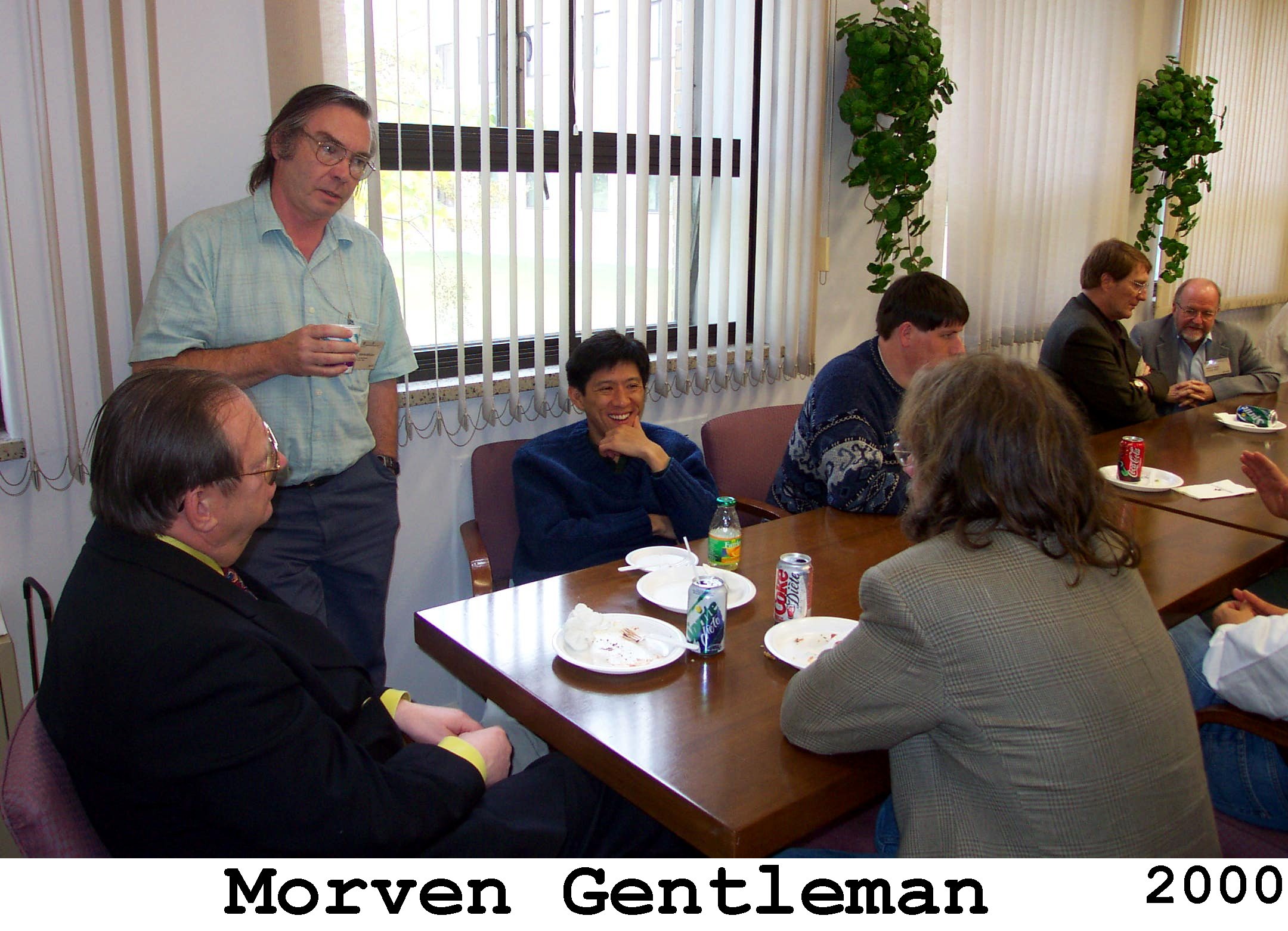
Morven Gentleman
Morven Gentleman
Eric Manning
Eric Manning
Ciaran O’Donnell
Michael Dillon
Peter & Flaurie Stevens
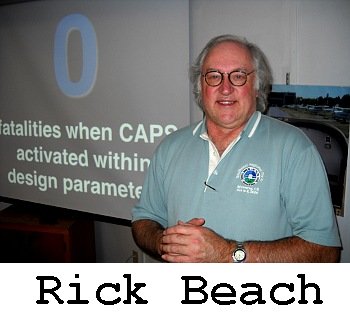
Rick Beach
Rick Beach
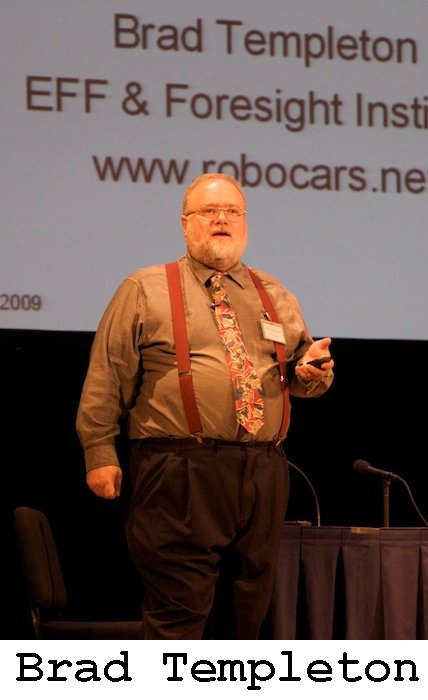
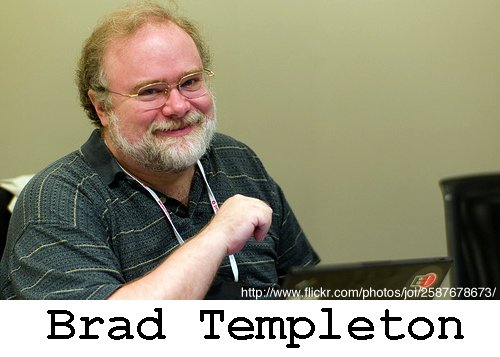
Brad Templeton
Brad Templeton
Brad Templeton
Ian Chaprin
Ron & Amy Hansen
Jon Livesey
Johan George
Kelly Booth
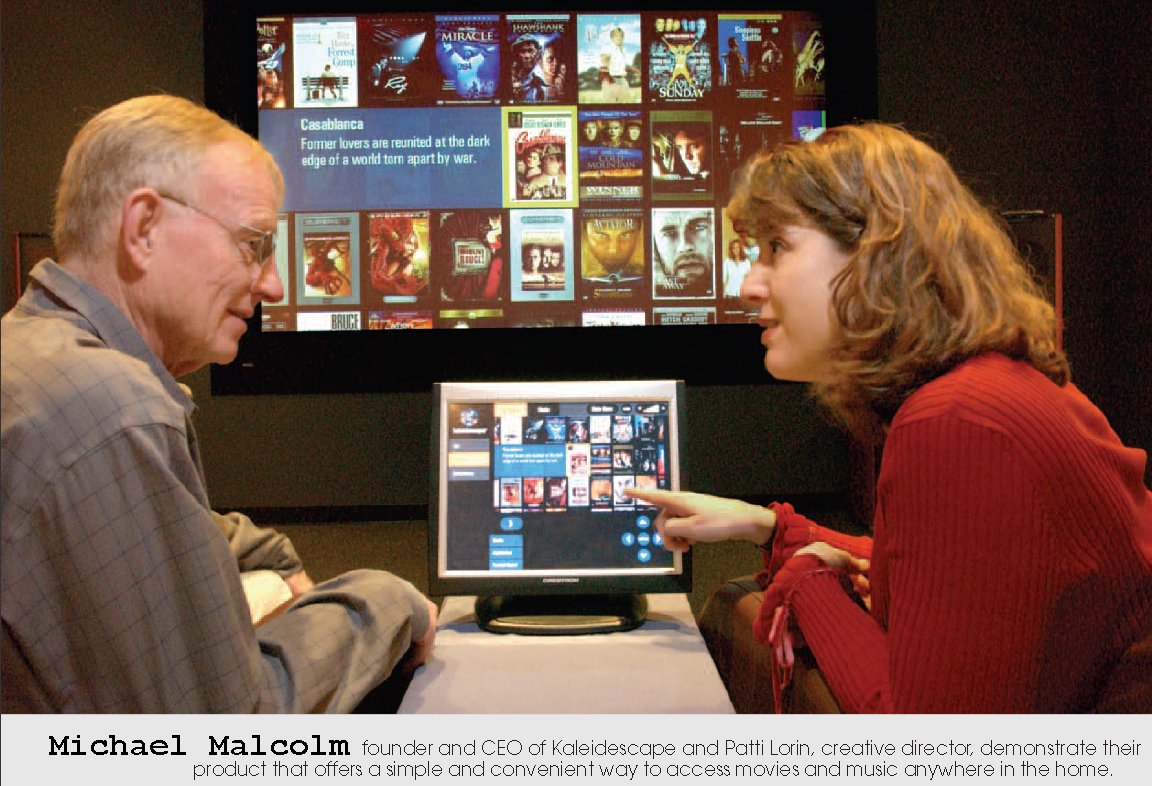
Mike Malcolm
Ian! Allen
Linda Carson
Linda Carson
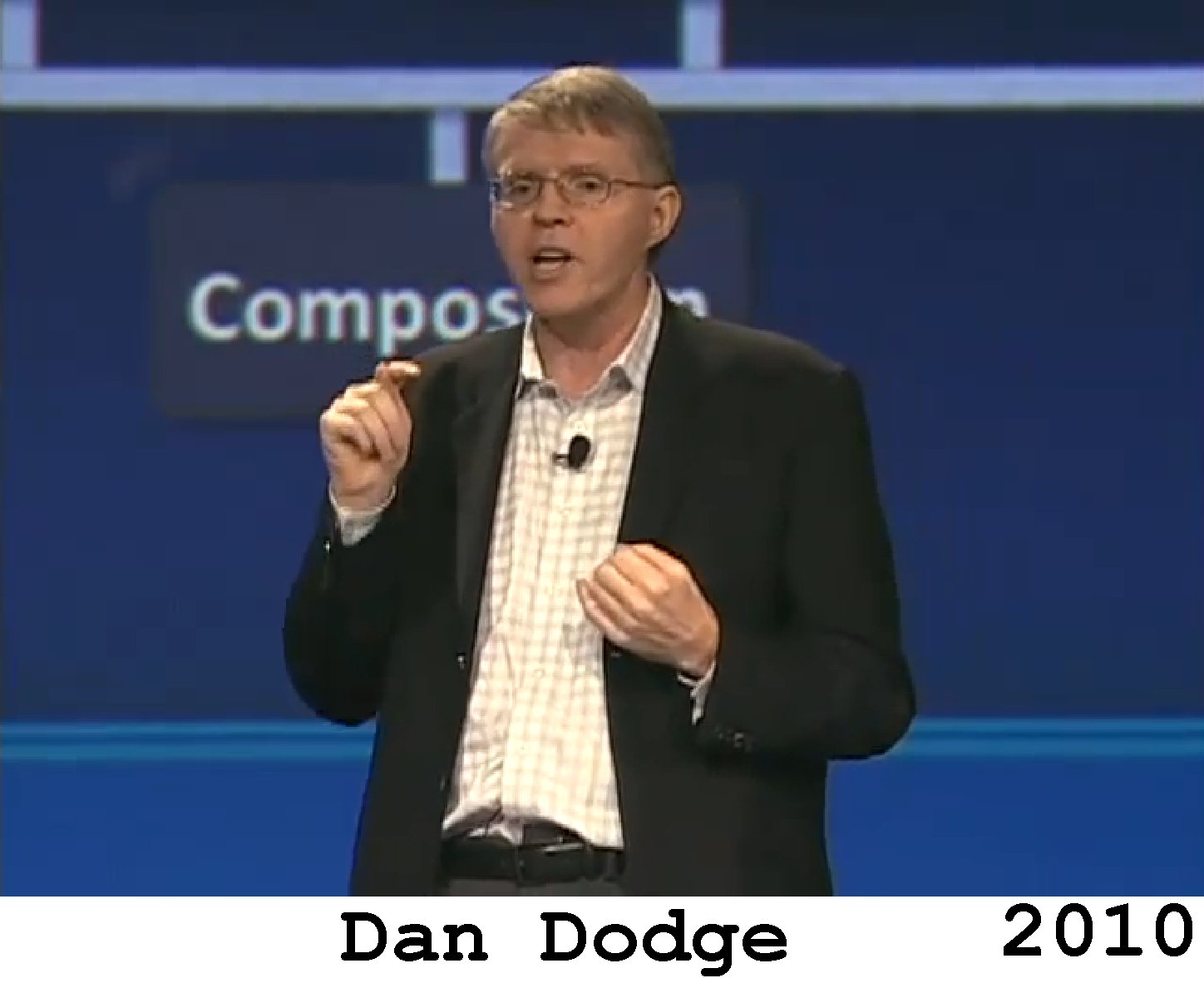
Dan Dodge
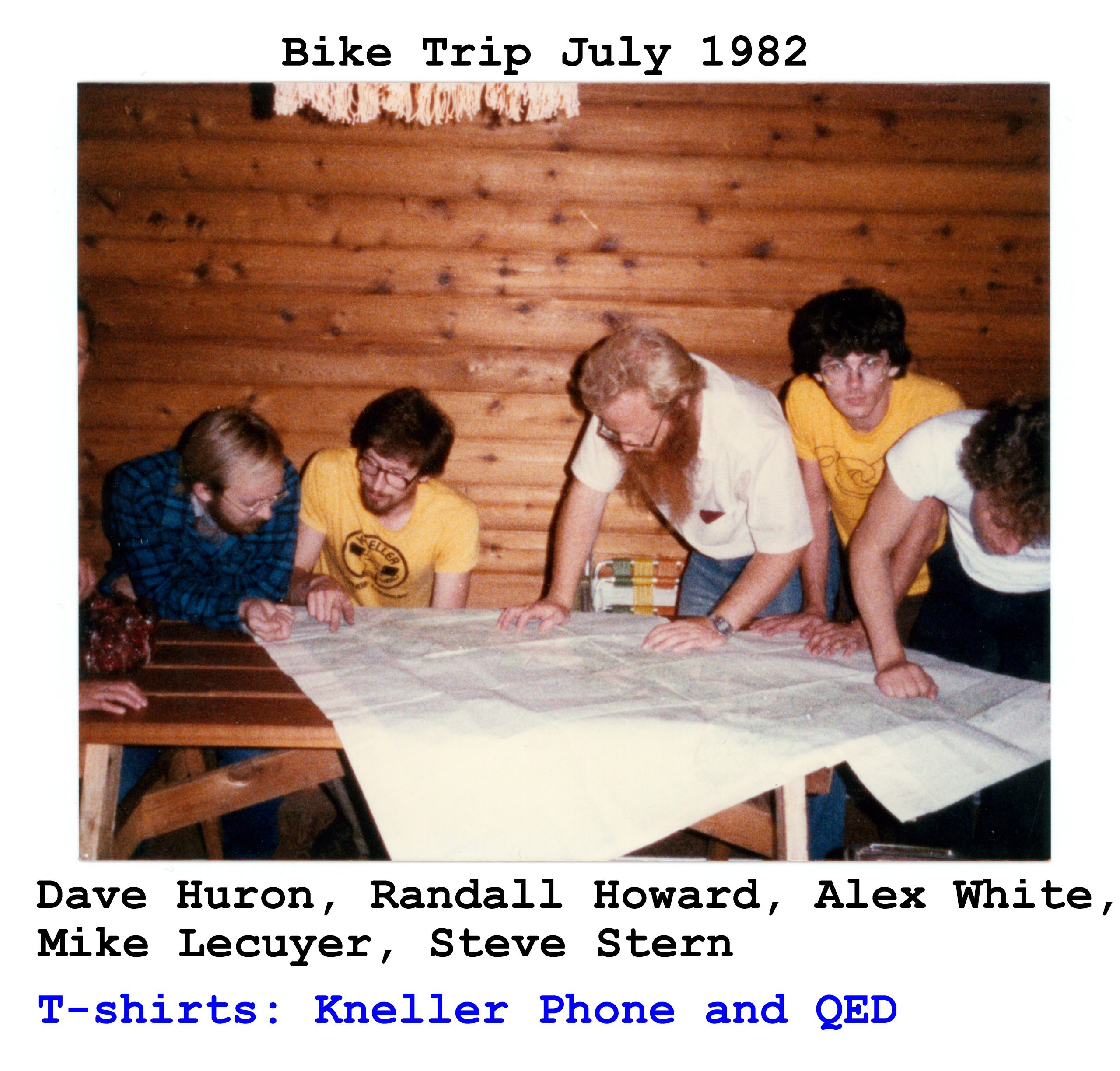
Dave Huron
R Anne Smith
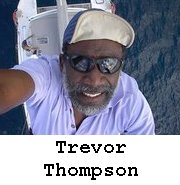
Trevor J Tho,mpson
Math Building
I’ve also included the brief presentation from the Gala on Saturday 18 August, 2012 in case anyone wants to see that:
Finally, there was a lively discussion via email,Facebook, Google+, LinkedIn and Twitter both from attendees and those who were unable to join us. The following is a summary of some of those reflections and comments:
Morven Gentleman
Randall,
The first story that comes to mind is how we got the Bun in the first place.
In 1971, Eric Manning and myself as young faculty members felt that it was embarrassing that a university which wanted to pride itself on Computer Science did not have any time-sharing capability, as all the major Computer Science schools did.
At the time, the Faculty of Mathematics was paying roughly $29,000/month to IBM for a IBM 360/50, which was hardly used at all – it apparently had originally been intended for process control, but that never happened. (Perhaps the 360/50 had been obtained at the same time as the 360/75 – I never knew.) So Eric and I approached the dean with a proposal to see if those funds could be diverted to be spent instead on obtaining time-sharing service. The dean approved us proceeding to investigate the options.
The popular time-sharing machine of the day in universities was the DEC PDP-10, so we wired a spec to get one, but issued the RFP to all vendors. In the end, we received bids from IBM, Control Data, Univac, DEC, and Honeywell. IBM bid a 360/67 running TSS 360 at more than twice what we were paying for the 360/50, and at the time only the University of Michigan’s MTS software actually worked at all on the machine: the bid was easily dismissed. Control Data bid a CDC 6400 at above our budget, but at the time didn’t have working time-sharing software: again easily dismissed. Univac bid an 1106, again above our budget, and although its OS, Exec 8, had some nice aspects as a batch system, we had no awareness of time-sharing on it: so we dismissed it too. DEC bid a KA 10 almost exactly at our budget: this was what we originally wanted, so it made the short list. Honeywell bid the 6050 for $24000/month, notable savings for the Faculty, and since I had used GCOS III at Bell Labs, I knew that even if not ideal, it would be acceptable: again on the short list.
Announcing the short list had a dramatic effect. DEC was so sure that they would win that they revealed that, as was their common practice in that day, they had low-balled the bid, and a viable system was actually going to cost $32,000/month.
Honeywell instead sweetened their bid – more for the same money, and the opportunity for direct involvement with Honeywell’s engineering group in Phoenix. Whereas with DEC we would be perhaps thousandth university in line, and unlikely to have any special relationship, Honeywell only had three other university customers: MIT, who were engrossed with Multics; Dartmouth, who had built their own DTSS system; and the University of Kansas, who had no aspirations in software development – we would be their GCOS partner.
The consequence was there was no contest. The Faculty cancelled the 360/50 contract and accepted Honeywell’s bid. I agreed to take on the additional responsibility for running the new time-sharing system. The machine had already been warehoused in Toronto, so it was installed as soon as the machine room on the third floor could be prepared.
Morven (aka wmgentleman)
Eric Manning
Hi Randall
Yes, all’s well here. I was mandatorily retired from UVic but continue to work on various projects for the Engineering Faculty, and a bit of consulting etc. Engineering has no end of interesting things to work on. I’m very sorry that I can’t attend your Unix/Bun/CCNG celebration; the mark we made certainly should be celebrated!
I’m distressed about the crash & burn of Nortel and now RIM, and I certainly wish you well in keeping the tech sector alive and well. Rocks, logs and banks alone do not a healthy economy make.
All the best
Eric
Gary Sager
Randall,
Unfortunately I have to be in Seattle at that time. It does sound like a good time will be had. I would especially like to go to the Heidelberg again (which I did have the occasion to do in 2001 [or so]).
After Waterloo, I did time at BTL (in Denver, working on real-time systems) then wound up at Sun in charge of the Operating Systems and Networking group — putting me in charge of what was arguably the best set of UNIX people ever assembled. Had a number of other adventures after Sun, and finally decided to retire when the people I was hiring were more interested in how much money they could make than in what they would be doing. Guess I was spoiled by the Sun people I managed.
I have a “blog” updated quarterly for friends and family: http://bclodge.com/index.htm
Do look us up if you are ever in this area (Bozeman, MT). Some memories:
One day some malicious (and uncreative) person copied down a script that was known to crash UNIX by making it essentially unusable. It went something like:
while true do mkdir crash cd crash done
Some subset of the hacks (I forget which) spent a great deal of time trying to figure out how to undo the damage. The obvious things did not work. They finally decided to go to dinner and think about it. I stayed and thought of a way to fix the problem; I finished the fix just as they returned. They wanted to know how I did it. I never told them and am still holding the secret (it was a truly disgusting hack).
Anyhow, the hacks I most remember (other than yourself) were Ciaran O’Donnell (on LinkedIn), Dave Conroy, the underage Indian kid whose name escapes me at the moment, and one more Dave (Martindale?).
Some more stories:
Someone from Bell Labs came to give a talk about text to voice and gave a demo by logging in via phone modem to the Bell Labs computers. The hacks looked at the phone records and figured out how to log in to the BTL system. Suddenly our Math/UNIX system was getting all the latest new UNIX features before they were released (by means unbeknownst to me). The BTL people weren’t terribly happy when they found out, but they were happy to accept a guarantee it would stop.
We kept trying to use the IBM system to do printing with a connection to one of their channels (I think they were called). It would frequently stop working and someone would have to call the operator and say “restart channel 5” (or some other jargon). I had a meeting with the IBM staff to see if we could get the problem fixed. At that meeting I recall one of the staff was incredulous that our system did not reboot when they rebooted the IBM mainframe. Anyhow, they were reluctant to fix the problem so I told them I would fix it by buying a voice synthesizer (as demonstrated by BTL) and have our system call their operator to instruct them to “restart channel 5”. They fixed the problem.
The worst security problem I recall someone finding in the ‘Bun’ was to do an execute doubleword where the second word was another execute doubleword. Execute double word disabled interrupts — this was a way of
executing indivisible sequences of instructions. By chaining this way for exactly the right amount of time (1/60 second I think) and doing a system call as the last instruction, there would be a fault in the OS for disabling interrupts too long and the system would crash. I don’t know if anyone ever figured out a fix since this was essentially hardwired into the machine.
I assume there will be pictures, etc from the event….
Gary (aka grsager)
Richard Sexton
Richard Sexton: I still used the ‘bun for a few months when I moved to LA in 79 (x.25 ftw). I’d love to be there but can’t make it that day but I promise when there’s a similar event for math unix I will be there; that was the first (and I sometimes think only) decent computer I ever used.
When I worked with Dave Conroy summers at Teklogix, we worked for Ted Thorpe who was the Digital sales guy running around selling the same machine to six different universities just so they could sign for it at the shipping dock and get it on *this* years budget. Ted would then take the machine to the next school until Digital has actually made enough they could ship all the ones that had actually been ordered.
Stefan Vorkoetter: Wow! I remember using that machine in the 80s. It must have been kept alive for quite a while if it was installed 40 years ago.
Judy McMullan: It was decommissioned Apr 23, 1992 Brenda Parsons: The 6050 or the Level 66 or the DPS8 — wasn’t there a hardware change in there somewhere before ’92?
Jan Gray: Thanks for explaining the S.C. Johnson connection. I had no idea how the Unix culture came to Waterloo.
I was just a young twerp user, but I fondly remember the Telerays and particularly rmcrook/adv/hstar. As well as this dialog (approximate) :-
Sorry, colossal cave is closed now. > WIZARD Prove you’re a wizard? What’s the password? > XXXXX Foo, you are nothing but a charlatan.
c .r ..a …s ….h_
Ciaran O’Donnell
Random musings from the desk of Ciaran O’Donnell when he should be working
I would especially like to thank my dear friend Judy McMullan for organizing this wonderful reunion.
I am so glad to have gone to a University that was born the same year as me, that taught you Mathematics, that did not force you to program in Cobol or use an IBM-360, and that paid people like Reinaldo Braga to write a B compiler. It was nice to have L.J. Dickey teach you about APL in a world before Excel and to learn logic and geometry.
It was so nice to go to university, to not have to own a credit card or a car, to be able to wash floors at the co-op residence, and to pay tuition for the price of a 3-G iPad today. It was not so bad either not to get arrested for smoking pot or crashing the Honeywell main frame even though one was quite a nuisance, or to play politics on the Chevron.
It was so neat to be mentored by people like Ernie Chang and Jay Majithia. The University of Waterloo in the 1970s is an unsung place of great programming. I just have to look at what people like Ron Hansen accomplished designing a chess program or what David Conroy has become. As for myself, I have actually learned C++ and Java which proves that you can teach an old dog new tricks.
How things have changed. Back then, we kicked the Marxist-Leninists off the Chevron. Nowadays, communist officials from China can come to America and get a heroes welcome at a Los Angeles Lakers game. All I will say about my life since 1979 is that I have been in France is … “I KNOW NOTHING” like Sgt. Schultz from Hogan’s Heroes.
I am especially grateful to Steven C Johnson for having inspired me to get into compilers and to Sunil Saxena for having encouraged me to come to California.
There are a lot of fun people down here from Waterloo including myself, Peter Stevens, Rick Beach, Sanjay Rhadia, David Cheriton, Dave Conroy, Kent Peacock, Sunil Saxena, John Williamson, and a whole bunch of others.
Ciaran (aka cgodonnell)
Dave Conroy
Sadly, I am not going to make it. It was touch and go right to the end, but I have to go to DC to be a witness in an ITC dispute.
Lynn and I will try and sync with the group online on Saturday.
If you are in any way connected to this story, see link to event invitation at end of this post.
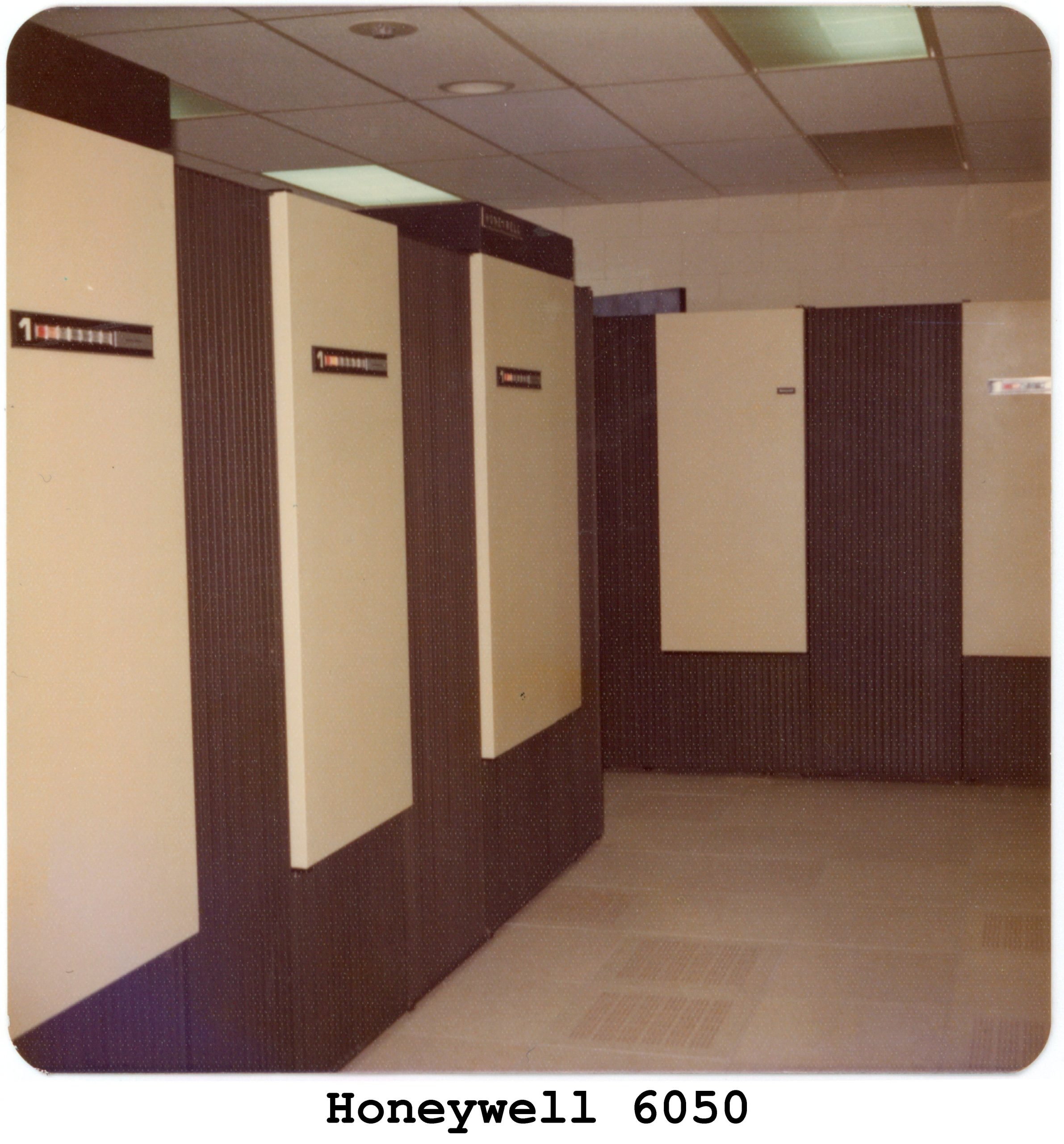
In August 1972, just before the start of fall classes, a new arrival was causing a stir in the Math & Computer building at University of Waterloo – a brand new Honeywell 6050 mainframe size computer running GCOS (General Comprehensive Operating Supervisor) and TSS (TimeSharing System). The arrival of this computer (which quickly got nicknamed, “HoneyBun” and eventually “The ‘Bun”) set the stage for a whole new generation of computer innovators at University of Waterloo and was the foundation for many a computer and internet innovator.
In retrospect, it was a fortuitous time to be young and engaged in computing. A fluid group of enthusiast programmers, “The Hacks” (a variant of the term “Hackers” popularized by MIT, yet not to be confused with the later “Crackers” who were all about malicious security breaches), revelled in getting these expensive machines (yet by today’s standards underpowered) to do super-human feats. The early 1970’s was the decade when software was coming into its own as a free-standing discipline, for the first time unbundled and unshackled from the underlying hardware. The phenemena of the timing of one’s birth affecting whole careers is eerily (the years are the same as my own) described by Malcolm Gladwell in his 2009 book Outliers.
The Honeywell had a whole culture of operators, SNUMBs, LLINKs, GMAP, MMEs, DRLs, Master Mode and not to mention that infamous pitcher of beer for anyone who could break its security. To do so was remarkably easy. For example, one day the system was down, as was commonplace in those days. As it happened the IBM 2741 terminals were loaded to print on the backs of a listing of the entire GCOS operating system. Without the ‘Bun to amuse us, we challenged each other to find at least one bug on a single page of this GCOS assembler listing. And, remarkably for a system reputed to be secure, each of us found at least one bug that was serious enough to be a security hole. This is pretty troubling for a computer system targeted to mission critical, military applications, including running the World Wide Command and Control System (WWMCCS – ie. the nuclear early warning and decision mechanism).
Shortly after the arrival of the Honeywell, Steve Johnson came to the Math Faculty on sabbatical from Bell Labs. The prolific creator of many iconic UNIX tools such as Yacc, he is also famous for the quote: “Using TSOis like kicking a dead whale down the beach”. I suspect that few people realize his key role in introducing Bell Labs culture to University of Waterloo so early, including B Programming Language, getchar(), putchar(), the beginnings of the notion of software portability and, of course, yacc. It is hard to underestimate the influence on a whole generation at Waterloo of the Bell Labs culture – a refreshing switch from the IBM and Computing Centre hegemony of the time.
The adoption of the high level language B, in addition to the GMAP assembler, unleashed a tremendous amount of hacker creativity, including work in languages, early networking, very early email (1973), the notion of a command and utilities world (even pre-UNIX) and some very high level abstractions, including writing an Easter date calculator in the macros embedded inside the high level editor QED.
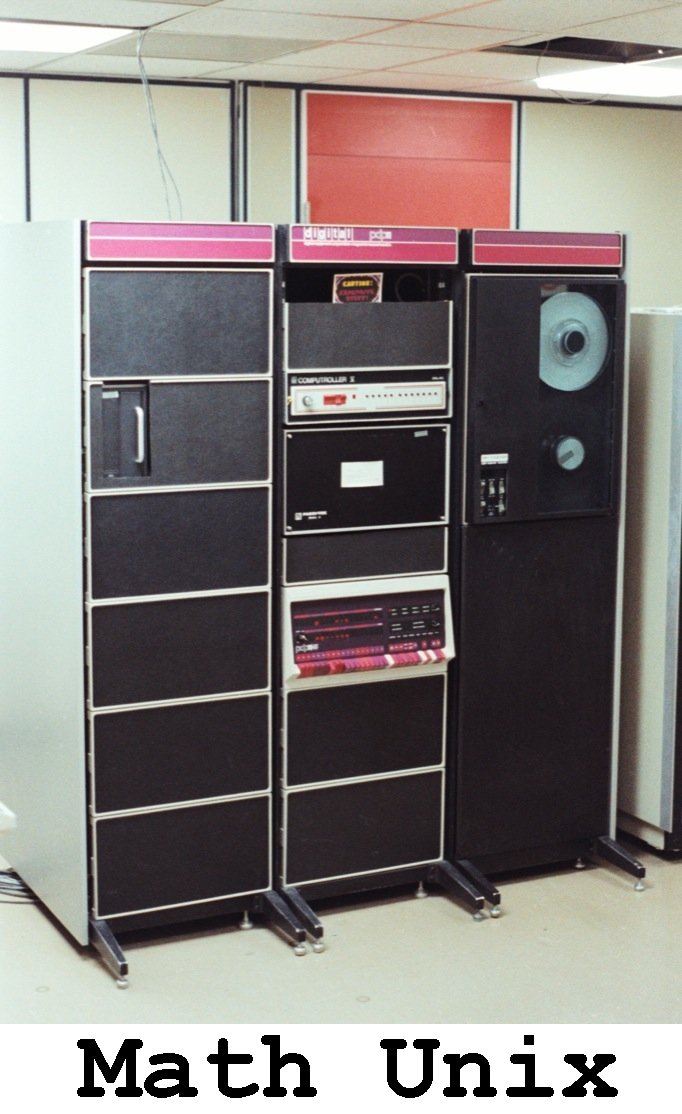
Ultimately, Steve’s strong influence led to University of Waterloo being among the first schools worldwide to get the religion that was (and is) UNIX. As recounted in my recent post remembering the late Dennis Ritchie, first CCNG was able to get a tape directly from Ken Thompson to run UNIX in an amazing 1973. That machine is pictured below. A few years later, several of us UNIX converts commandeered, with assistance from several professors, a relatively unused PDP-11/45 on the 6th floor of the Math building. This ultimately became Math/UNIX which provided an almost production system complement to the ‘Bun on the 3rd floor. And, even the subject of several journal papers, we built file transfer, printing and job submission networked applications to connect them.
Photo Courtesy Jan Gray
So, whether you were an instigator, quiet observer or just an interested party, we’d love you to join us to commemorate the decade of creativity unleashed by the arrival of the Honeywell 050 years ago. We’ve got a weekend of events planned from August 17-19, 2012, with a special gala celebratory dinner on the 18th. We hope you can join us and do share this with friends so that we don’t miss anyone. Check out the details here at:
And, do try to scrounge around in your memories for anecdotes, photos and other things to bring this important milestone to life. Long before Twitter handles, I was rjhoward, so do include your Honeywell userID if you can recall it.
Today was a banner day for announcements involving a reset of the technology funding ecosystem in Canada.
For a long time, the slow demise of Canadian Venture Capital has concerned me deeply, putting us at an international disadvantage in regards to funding and building our next generation of innovative businesses. You may recall my 2009 post Who Killed Canadian Venture Capital? A Peculiarly Canadian Implosion? which recounts the extinction of almost all of the A round investors working in Ontario.
Since then, many of us have worked to bridge the gap by building Angel Networks, including Golden Triangle AngelNet (GTAN), where I chair the Selection process and using extreme syndication and leverage to replace a portion of the missing A rounds.
Today, the launch of Round 13 Capital revealed a new model for venture finance centred around a strong Founder Board whose members are also LPs, each with a “meaningful” investment in the fund. My decision to get involved was based both on this strongly aligned wealth of operating wisdom coupled with the clear strength of the core team.
The launch was widely covered by a range of tech savvy media, including:
To illustrate the both the differentiation of Round 13 and show the depth of founder experience, Bruce Croxon, indicated that the founders board has, measured by aggregate exit value, built over $2.5 billion of wealth in Canada. It is this kind of vision and operational experience that directly addresses the second of my three points that Canadian Venture Capital needs to solve.
It is exciting to be involved with the unfolding next generation funding ecosystem for technology companies of the future. Time will tell the ultimate outcome, but I’m certainly bullish on Round 13.
“What we may be witnessing is not just the end of the Cold War, or the passing of a particular period of post-war history, but the end of history as such: that is, the end point of mankind’s ideological evolution and the universalization of Western liberal democracy as the final form of human government.” – Francis Fukuyama, 1989
This week marks the 20th anniversary of the fall of the Berlin Wall. Was it the “end of history” that Francisc Fukayama suggested? Although perhaps that’s an exaggeration, it was probably the most transformational event in our lifetimes. Certainly, it ended a cycle of tyranny and brutality under totalatarian ideologies like Naziism, Stalinism, Fascism, Communism, etc., that characterized much of the Twentieth Century. In some ways, the Iron Curtain, of which the Berlin Wall was the most visible manifestation, froze half a continent in time, almost as if the World War II didn’t really end until 1989.
While our world today is by no means perfect, the events of 1989 delivered greater democratic and economic rights to hundreds of millions of central and eastern European people, not to mention exerting a profound influence on places as far away as the government of the People’s Republic of China in Beijing.
Having been in East Berlin in the former German Democratic Republic (DDR) a scant two weeks prior to this momentous event, on 28 October, 1989, I observed a world at the crossroads. I was in Germany preparing to open up German and European business for MKS, and used that opportunity to visit my friend Stephen Stern in West Berlin. He had built to message catalogues which translated the MKS Toolkit into German for the first time. Steve was well versed in the countercultural arts and political landscape that is unique to Berlin. Thus, I was fortunate to venture for a day trip into East Berlin, entering via the checkpoint at Freidrichstrasse train station and exiting by the famous Checkpoint Charlie. We bought our day trip visas for the mandatory conversion of 50 DeutschMarks into 50 OstMarks (East Germany money) and saw the sites of East Berlin.
Credit: Kirke Gethsemane
Navigating the S-Bahn (tram), at a proletariat friendly 10 Ost Pfennig fare, as I arrived at Gethsemane Kirche, in Prenzlauer Berg near Schoneberger Alle in East Berlin, I was hu mbled to watch ordinary people filing through the Church in search of information. Here families with baby carriages and other ordinary people filed silently around a sanctuary filled with newspaper clippings covering of the protests against communism happening in Dresden and Leipzig and the opening of the Iron Curtain between Hungary and Austria. Meanwhile, outside the church, candles burned to commemorate those protestors who were political prisoners, while 4 not so discreet secret police, possibly Stasi, watched these events unfolding from across the street.
For those without the historical context or even wanting to refresh their memory, the Economist posted a great photo show here on Life Behind the Berlin Wall in the former DDR. More immediately, I chronicle here are a few of my direct impressions from that heady time.
Western Decadent Levis?
At Freidrichstrasse, there was an hour and one-half wait with mobs of people from Poland, Hungray, Czechoslavakia and East Germany returning from an excursion to West Berlin, most possibly for the first time in their lives. I was surprised, and perhaps a bit amused, to notice the most popular item being carefully carried back home across the Berlin Wall. Was it American Levi Jeans? Was it Marlboro cigarettes? None of that.
Counterintuitively, the most popular item people were carrying was bunches of bananas. Apparently the Bolshevik economic system had very great difficulty in getting such fresh fruit to the masses. Der Spiegel recently reported a Communist era joke from the DDR was: “Did East Germans originate from apes? Impossible. Apes could never have survived on just two bananas a year.”
Border Guard Intimidation?
After the banana incident, I finally was face to face with the East German Border Police (Deutsche Grenzpolizei) who checked my Canadian passport. Imagine a door behind you and in front of you, both electrically locked to prevent your movement. The guard looked at my passport and me, without smiling, for what must have been two minutes.
All in all, the episode was pretty intimidating, perhaps not so much for a westerner, but certainly if you were a humble citizen of the DDR. This moment was perhaps my most vivid, firsthand experience of a totalitarian regime.
An amusing footnote is that a colleague, Frank Pfeiffer, who worked in German IT told me that part of the reason why they stared me down for so long was that was how slow the Robotron (Digital PDP-11 clones, but running as much as 1000 times slower) computers were. It’s ironic that perhaps what I was mistaking for unsmiling tyranny was simply the result of an economically stagnant and technologically backward economy.
Avoiding Flashy Western Tourists?
That day, and again in March 1990 when I was back in East Berlin, I noticed that as I walked down the street that people averted their gaze from me. For a long time, I assumed that people were offended perhaps by my flashy westernized, Americanized clothing and persona. Actually, that wasn’t the case at all. It was the natural response of a populace tyrannized by institutionalized and pervasive spying. As much as one-third of the populace was either Stasi or a part time paid informers. A few years ago, I read an excellent book about life in the DDR which could only have been written by an outsider, who in fact was also a fluent German speaker. If you have the opportunity, pick up Stasiland: True Stories from Behind the Berlin Wallby Anna Funder. It is a very personal and rivetting read.
Bankruptcy of Central Planning
Another lasting memory of my one and only day behind the iron curtain was the drab, grey pallour of daily existence in the land of the Bolsheviks. After the bright, neon lit, excitement of West Berlin, East Berlin was a contrasting shock of nondescript urban decay. Nothing appeared to have been painted in the preceding 50 years and the masonary covering of street-facing building facades was falling off, leaving a patchwork of even more grey.
The showpiece of Berlin was always the Unter Den Linden, a broad ceremonial street running from the Brandenburg Gate to the area with all the main museums. Notably, even those museums, although presenting a majestic facade, turned out to have unrepaired World War II vintage bullet holes on the rear portion where tourists were less likely to venture.
For me, even in uber-disciplined East Germany, the socialist ideal of Communism was an empty promise. It just plain didn’t work. And, while an appearance of working could be maintained in a heavy industrial economy, it was far too common for the output of a plant to be worth less than the sum of its inputs. Even in 1989, it was already becoming clear that information technology, and the forced conversion of an economy from heavy manufacturing to a knowledge based one, was further magnifying the gulf between the Communist East and the Market-driven West.
There are important lessons for all of us. In Canada, which has always had a love affair with socialism, we must recognize that science has never created an economic system that works better than the market. In this year of global economic meltdown, it is important to remember that the failings of Wall Street insitutions should not be confused with the efficient and rational forces of a market-based economy, which clearly work. For me personally, that day behind the Iron Curtain irreversably shaped my politic worldview.
Cynicism
Another lasting legacy of the C old War standoff symbolized by the Berlin Wall, was the crazy nuclear profileration of weapons that could destroy the world many times over and the strategic engagement known as Mutually Assured Destruction. Sadly, through the 1970’s and 1980’s, the threat of human destruction created, expecially in the West, a whole generation of people who were cynical about human survival. This was not a generation of Utopians, but rather of people who felt disenfranchized and unable to reverse the excesses of the Military Industrial Complex.
Thus, it is refreshing to see that the Millenials (or Generation Y as per my post Fail to Understand the Net Generation at Your Peril)) are an optimistic cadre who believe that, while their parents generation has created a mess, they need to passionately focus on making the world a better place. On reflection, the fall of the Berlin Wall and the end of the Cold War has probably enabled this generation to consider shaping a better future world. It will be interesting to see where this energy ultimately leads as the Millenials start to become the next generation of leaders.
On balance, the legacy of the fall of the Berlin Wall, the end of the Col War and the breakup of the Soviet Union has been a positive one. Although the dislocations for a whole generation were wrenching, overall people are for the most part in a far preferable position. As more stories continue to emerge about the bungling, state controlled, world, i like to think that our modern inter-connected world of instant information could never allow a Big Brother totalitarian state to stifle free information flow. Unfortunately, this is probably too optimistic a view and the lasting message is that people need to stay vigilant and remember the lessons of history.
Freedom is precious and shoud never be taken for granted.
I am extremely pleased to share today’s announcement from Gore Mutual Insurance Company that I have been appointed to their Board of Directors. I was officially appointed at the July 28, 2009 Board meeting and initially, I will serve on the Audit, Pension and Conduct Review & Governance Committees.
Because people may see this diferent from other activities I’m engaged in, I thought I would provide some perspective on what this appointment means for me personally.
Founded in 1839, this venerable Waterloo Region financial services institution is Canada’s oldest insurance company. Such a long and magnificent heritage and time scale is obviously very different from that of the technology startup scene. That said, this company is an object lesson to all in the nature of innovation in a long term business, and that intrigued me. The Gore, as it is affectionately known by most, has survived and thrived, not by resting on its legacy, but through a constant process of change and innovation, to stay ahead of the many curve balls that time throws at any business.
And yet, as a regulated financial services company, through organizations like OSFI (Ontario of the Superintendent of Financial Institutions) and with a mission and obligation to prudently pool and manage risks for their members and clients, the company always walks a much finer line than startups in regards to balancing risk and innovation. That is something that both intrigued me and impressed me at how well this company has navigated that highly tuned path, particularly in recent years. Having reviewed this history as part of my due diligence, I’m absolutely convinced that without innovation and change, the Gore would never have survived on it’s long legacy alone, and that’s a great testimonial when a company can manage that for 170 years.
A second consideration for me is the opportunity to learn more about the whole world of financial insitutions. In my career, I’ve sold enterprise software to some of the largest such companies in the world (e.g. HSBC, UBS, Nations Bank). Success with these customers entailed a detailed understanding of how to make their organizations more effective through better IT productivity and quality. The chance to drill deeper in a highly respected local firm like The Gore and to help shape their forward strategy, was not to be missed. I was warned, and certainly recognize, that the learning curve will be steep, but I’m already relishing that challenge, having just internalized 5 thick binders of briefing materials and background documentation.
Over the years, first as a CEO and more recently as a hands-on investor, I’ve internalized a very important truth — the people you work with (or invest in, or sit on a board with) must be the most important selection factor. In my due diligence, I was absolutely impressed with management. The CEO, Kevin McNeil, has assembled an extremely impressive team that has moved the Gore forward a quantum leap over the last few years. Likewise, the Board members are a diverse, smart and engaged team that complements this excellence in management. It is to be noted that they come from many industries and all had the same learning curve I did, including one from the Life Insurance industry which is a different business from general insurance. Furthermore, each and every employee I have talked to so far seems passionate, committed, yet not afraid to make the difficult suggestions to help shape the company’s execution. This is a company of surprisingly innovative people and in that respect, it isn’t really that different from the culture in a startup.
Finally, I note that 2009 is an interesting time to be joining a financial services company Board. While Property and Casualty insurers haven’t seen the exposure to the excesses of the credit crunch (ie. CDOs and such derivatives), it is clear that the public’s need for transparent and well executed corporate governance has never been more heartfelt. As I mentioned, the Gore is easily one of the best governed companies I’ve encountered.
Currently, I am appointed to serve on the Audit, Pension and Conduct Review & Governance Committees. Particularly in the case of the Audit Committee, my deep background in IT systems will help to balance the risk review and management activities in that important area.
I am happy to share more with people about this appointment over the coming weeks.
During the morning of Wednesday 29 April, 2009 I was flatly told, with no recourse, that my CIBC Aerogold Visa for Business card was being cancelled immediately because it, and many other cards, had been compromised by some unspecified third parties.
A quick web search indicates an almost endless litany of incursions by hackers into credit card processors, including Heartland Payment Systems or Another Unspecified Processor. Although perhaps just bad luck for me, shouldn’t I be delighted that CIBC is looking out for my interests using its highly sophisticated fraud detection software and systems? Well, maybe, but …
As an almost 15 year business customer of CIBC Aerogold VISA, I chose this product because it claims to offer the highest level of customer service aimed at a global and sophisticated business travelling clientele. Based on that, my company uses that card heavily for both a travel and payment card, including many monthly recurring payments. As a long term customer, my assessment of the VISA response to a problem inside their own payments ecosystem was inadequate because:
When I asked for further clarification, the VISA Fraud Department representative seemed quite evasive. Surprisingly, there was an apparent inability to give background information which any customer would expect when their service relationship was curtailed. Simply saying “We’re terminating your card immediately, but it’s nothing to do with you” isn’t an acceptable customer response, particularly for a so-called Gold product.
The lack of encryption and other security mechanisms in CIBC’s payment systems has been a longstanding gap. For example, the classic magstripe can be easily cloned. Against these threats, Smart/CHIP cards have been in use in Europe for a long time and by some processors in Canada for over 5 years. Why did CIBC take so long to catch up with the global security benchmark? As a footnote, on last year’s regular card replacement, I had only 1.5 years to expiration date, instead of the normal 3 or 4, presumably to allow CIBC to move to CHIP card technology. Adding insult to injury, when I picked up my new card with new number today, the expiry date remained what is now 5+ months in the future. This, too, is a major customer inconvenience as I will have to, once again, change all of my automated payments yet again, later this year.
Probably the biggest customer service shortcoming was that my card was “shut off” between Wednesday and Friday, a period of almost 3 days that happens to be over the month change when most of my recurring business payments happen. Perhaps the only worse situation I could imagine is if this had occurred while I was travelling. In resolving their internal security problem, clearly CIBC Visa took no steps to escalate card replacements for their best customers. As I mentioned, their idea of customer service was to simply pass the problem onto their customers – in this case to me.
There have been earlier instances of poor service from CIBC. One memorable case occurred at a hotel checkout in Berlin at 6:00 am at the end of an international conference when I was racing to get to the airport. My charge was denied by the hotel. Apparently, the Fair Isaac (now FICO) fraud decision management software went a little hyperactive that day because it didn’t think I was in Berlin. Again, although I almost missed the window to get to the airport, VISA didn’t really give me the choice of a good workaround for a legitimate customer transaction.
To be clear, I support robust security measures and fraud detection in the payments industry. My problem stems from the way that these companies service their customers when things go wrong.
So, after almost 15 years with CIBC Aerogold VISA for Business, I’m looking at alternatives.
Does anyone have any great suggestions? Or perhaps you have your own credit card security horror stories. Feel free to comment…
The 20th Century was defined by an ill-fated search for a better world, inspired by late 19th Century, Victorian thinking. The irony, then, is that the 20th Century turned out to be probably the most destructive in human history, based on often misguided applications of powerful new technologies.
If you define a utopian society as one where governments plan to have zero unemployment, stable economic growth and high personal well being, how have we done in planning for this world? Up to now, in a word, wretchedly.
A personal defining moment was when I journeyed behind the Berlin Wall to East Berlin in 1989. This was just before the Soviet Bloc, along with its vassal state the German Democratic Republic, spectacularly imploded on 9 November, 1989. While I had previously sympathized with the notion that a socialist government could plan to make the world a better place, the dismal comparison of the East and West that I saw then graphically disabused me, forever, of that notion. East Berlin was a drab, grey, unpainted city in which even the prominent public buildings still had 45 year old bullet holes from World War II.
Communism, coupled with its less extreme relation socialism, and fascism were the defining, centrally planned ideologies of the 20th Century. Then, everything was planned and and organized from the top down, from prime time television, to the Stalinist 5 year plan to the Nazi Thousand Year Reich. With that hopeless track record, will we ever figure out how to move closer to a utopian reality?
Today I will explore some of the innovations in our understanding that might lead to that end.The book Infotopia, by Cass R. Sunstein is a truly outstanding study of the power of democracy in decision making for our internet age. Rather counterintuitively, this insightful book presents a well-researched argument that in group decision making, Deliberation (or central planning) almost always produces inferior results to Democracy (the wisdom of many people, driven by markets, to reach the truth).
Some key insights are:
The Condorcet Jury Theorem, which says “that the probability of a correct answer by a majority of the group increases toward 100 per cent as the size of the group increases.”
Two key sources of failure by Deliberating groups are informational influences and social pressures, which might be paraphrased as browbeating and peer pressure, which among other things, tend to amplify, rather than remove, errors.
Polarization is a particular risk of digital media in which political (or other) views tend to be reinforced by people filtering out any information which contradicts their existing world view. Thus, rather than reaching consensus, digital technologies can make the right wingers more right wing and left wingers more left wing, leaving little middle ground.
Prediction Markets are a new paradigm which harness price signals of the market to help in decision making, based on the insight that people tend to make better decisions when price signals are involved.
The Web 2.0 trends of Wikis, Blog, and Open Source Software all provide great evidence for this new paradigm of the wisdom of the crowd which Sunstein has so ably analyzed.
This book should be mandatory reading for politicians, business leaders and anyone wanting to shape the world of the 21st Century. From how to conduct better meetings to how to make the world a better place, Infotopia provides a solid foundation of how to harness better decision making for the future.

 A GO Train is stranded on flooded tracks in Toronto on Monday, July 8, 2013. THE CANADIAN PRESS/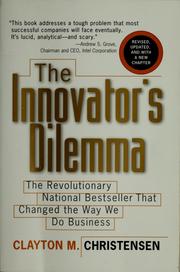

































 Eric Manning
 Gary Sager
 Richard Sexton
 Stefan Vorkoetter: Wow! I remember using that machine in the 80s. It must have been kept alive for quite a while if it was installed 40 years ago.
 Judy McMullan: It was decommissioned Apr 23, 1992
 Brenda Parsons: The 6050 or the Level 66 or the DPS8 — wasn’t there a hardware change in there somewhere before ’92?
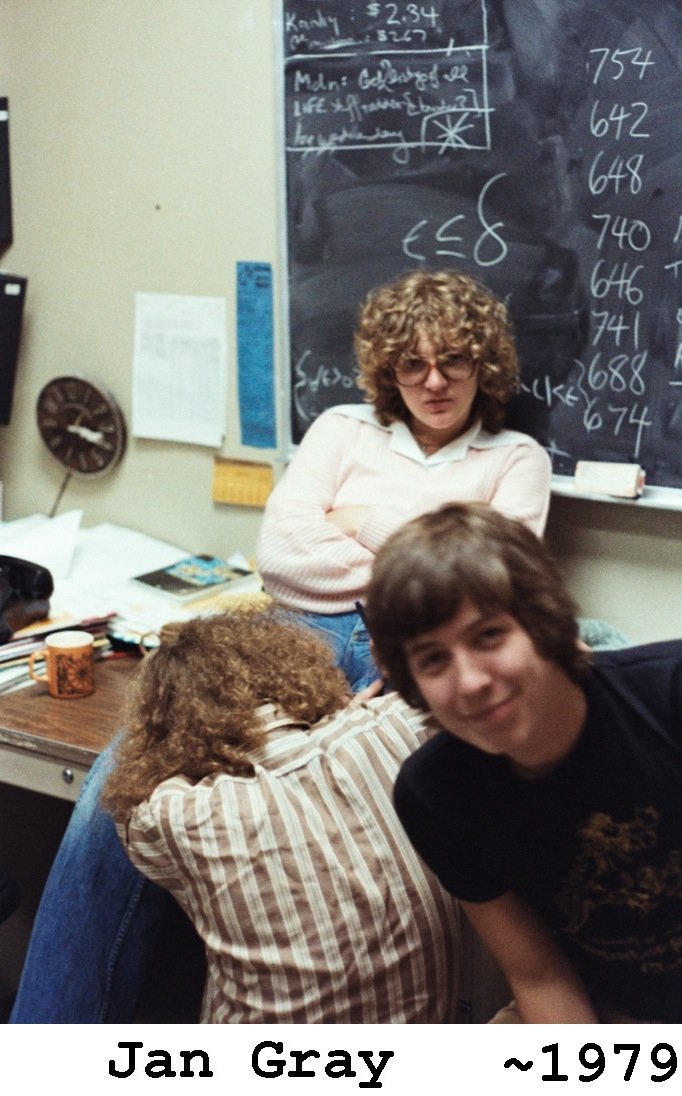
 Jan Gray: Thanks for explaining the S.C. Johnson connection. I had no idea how the Unix culture came to Waterloo.
 Ciaran O’Donnell
 Dave Conroy
 Photo Courtesy Jan Gray

 Credit: Kirke Gethsemane
 At Freidrichstrasse, there was an hour and one-half wait with mobs of people from Poland, Hungray, Czechoslavakia and East Germany returning from an excursion to West Berlin, most possibly for the first time in their lives. I was surprised, and perhaps a bit amused, to notice the most popular item being carefully carried back home across the Berlin Wall. Was it American Levi Jeans? Was it Marlboro cigarettes? None of that.
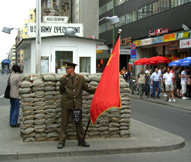 After the banana incident, I finally was face to face with the East German Border Police (Deutsche Grenzpolizei) who checked my Canadian passport. Imagine a door behind you and in front of you, both electrically locked to prevent your movement. The guard looked at my passport and me, without smiling, for what must have been two minutes.


9 Nov 2014
0 CommentsFall Of The Wall – 25 Years Later
A mere 25 years ago, the Fall of the Berlin Wall rent the “Iron Curtain” asunder, a re-ordering of western civilization possibly unparallelled since the fall of the Roman Empire.
25 years and 15 days ago, almost by happenstance, I drove the Berlin Corridor, travelled via Freidrichstraße Station behind the Berlin Wall and witnessed an exhausted and bankrupt regime about to collapse.
Today the world has joined Berlin in celebrating this momentous anniversary. This photo shows balloons lighting the old route of the Berlin Wall.
In 2014, we should be celebrating a distant historical memory. However, the sabre rattling by Vladimir Putin who illegally annexed Crimea, has (not so) covert troops actively de-stabilizing eastern Ukraine and causing existential jitters in the other former East Block countries, leads many commentators to be concerned that the Cold War didn’t end in 1989.
In 2009, for the 20th anniversary of these events, I published the following to describe my own experiences in the surreal world that 1989 Berlin represented:
Die Berliner Mauer – 20 Years After the End of History
Randall